How Bean-to-Cup
Coffee Machines Work
& Why They’re Ideal
for Busy Cafés
Key Takeaways
-
Bean-to-cup machines automate grinding, brewing, and milk preparation for fast, consistent service
-
They are ideal for busy cafés with high footfall and peak-time pressure
-
Minimal training is required, reducing reliance on skilled baristas
-
Fixed dosing helps maintain consistent drink quality and predictable stock usage
-
Traditional espresso machines may still suit cafés focused on coffee craft and theatre

What Is a Bean-to-Cup Coffee Machine?
A bean-to-cup coffee machine is a fully or semi-automatic system that takes whole coffee beans and produces finished drinks with minimal manual input. From grinding the beans to dispensing the final drink, the entire process happens within a single machine.
Unlike traditional espresso setups, which rely heavily on barista skill, bean-to-cup machines automate key stages of coffee preparation to deliver speed, consistency, and ease of use.
Who Bean-to-Cup Machines Are Ideal For
Bean-to-cup machines are particularly well suited to:
-
Busy, high-footfall cafés
-
Grab-and-go coffee concepts
-
Bakeries, delis, and food-led venues
-
Cafés with limited counter space
-
Businesses with high staff turnover or limited barista training
Features of Bean-to-Cup Coffee Machines
Most commercial bean-to-cup machines include:
-
Built-in coffee grinder
-
Programmable drink recipes
-
Automatic dosing and tamping
-
Integrated milk frothing systems
-
Internal waste containers and drip trays
-
Automated cleaning and rinse cycles
Step-by-Step: How a Bean-to-Cup Machine Works
1. Grinding the Beans
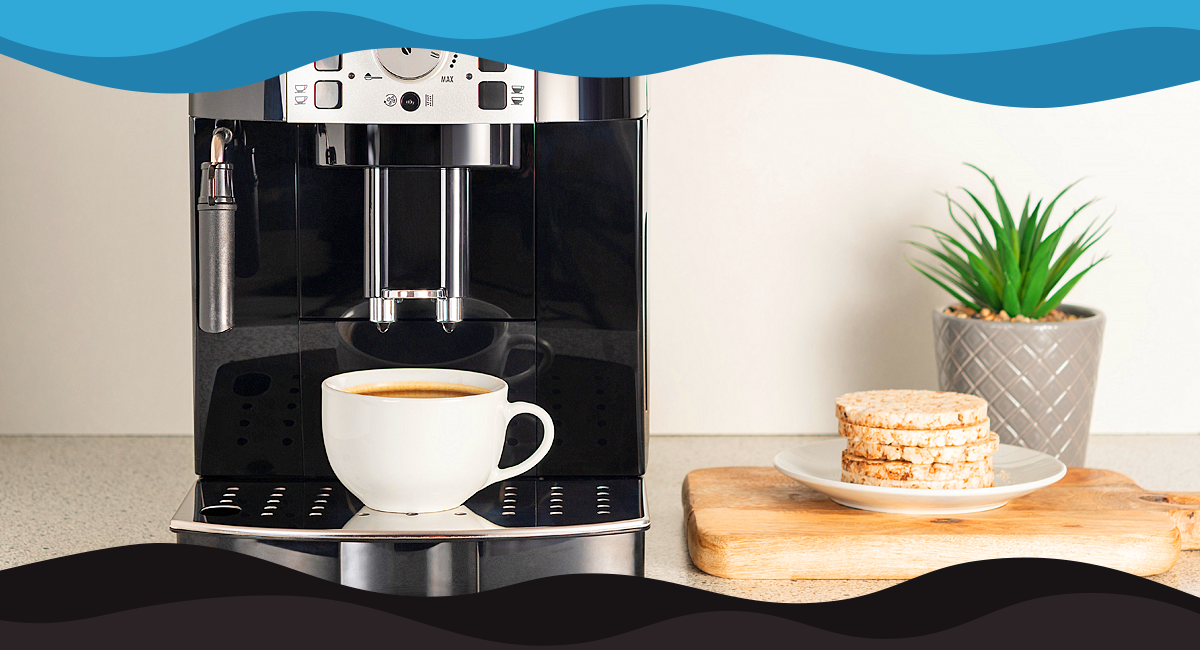
Whole coffee beans are stored in a hopper on top of the machine. When a drink is selected, the machine grinds the beans fresh for each cup using an integrated grinder, helping preserve aroma and flavour.
Most commercial bean-to-cup machines use burr grinders rather than blade grinders, as burrs produce a more consistent grind size. Steel burrs are commonly used in high-volume environments due to their durability, while ceramic burrs generate less heat and can help preserve flavour.
Grind size plays a key role in extraction. Finer grinds slow the flow of water and increase intensity, while coarser grinds allow water to pass through more quickly.
2. Tamping and Dosing
The machine automatically measures the correct amount of ground coffee and compresses it into a puck. This removes guesswork and ensures consistent extraction across every drink.
3. Brewing Under Pressure
Water is heated internally and forced through the coffee puck at controlled pressure to extract espresso or a coffee base. Drink strength, volume, and temperature are usually programmable in advance.
Most commercial bean-to-cup machines extract coffee at pressures comparable to traditional espresso machines, typically around 8–9 bars. Many models also use pre-infusion, where a small amount of water gently saturates the coffee puck before full pressure is applied. This helps reduce channeling and improve extraction consistency.
Internally, coffee is brewed within a sealed brew chamber, which automatically adjusts to the programmed dose size. Heating is usually handled by either thermoblock systems, which heat water on demand for speed and efficiency, or boiler-based systems designed to maintain temperature stability during high-volume service.
4. Frothing or Dispensing Milk
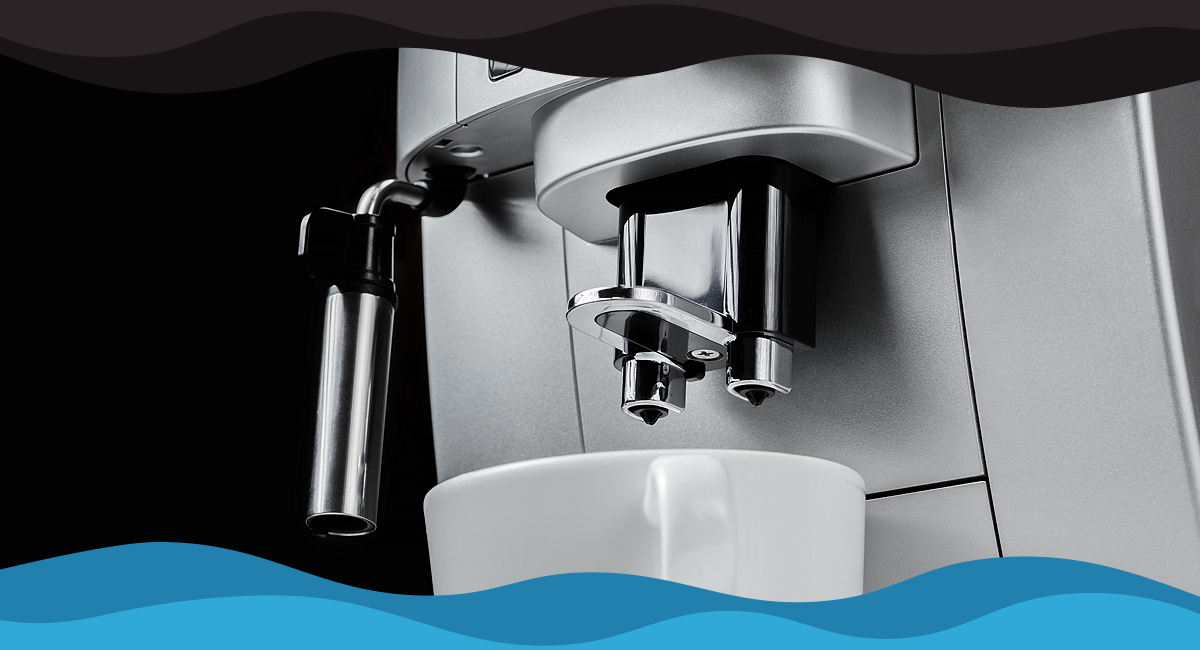
For milk-based drinks, milk is drawn from an internal container or external fridge, automatically heated and frothed, then dispensed directly into the cup — eliminating the need for manual steaming.
5. Cup Dispensing and Waste Management
Once the drink is complete, used coffee grounds are automatically ejected into an internal waste container. Drip trays collect excess liquid, and many machines perform automatic rinse cycles to keep components clean throughout the day.
Features of Bean-to-Cup Coffee Machines
Bean-to-cup coffee machines are built around automation, consistency, and scalability, making them particularly well suited to busy café environments. Understanding their core features helps café owners assess how a machine will perform in real-world service and whether it’s the right fit for their operation.
Dedicated Milk Systems
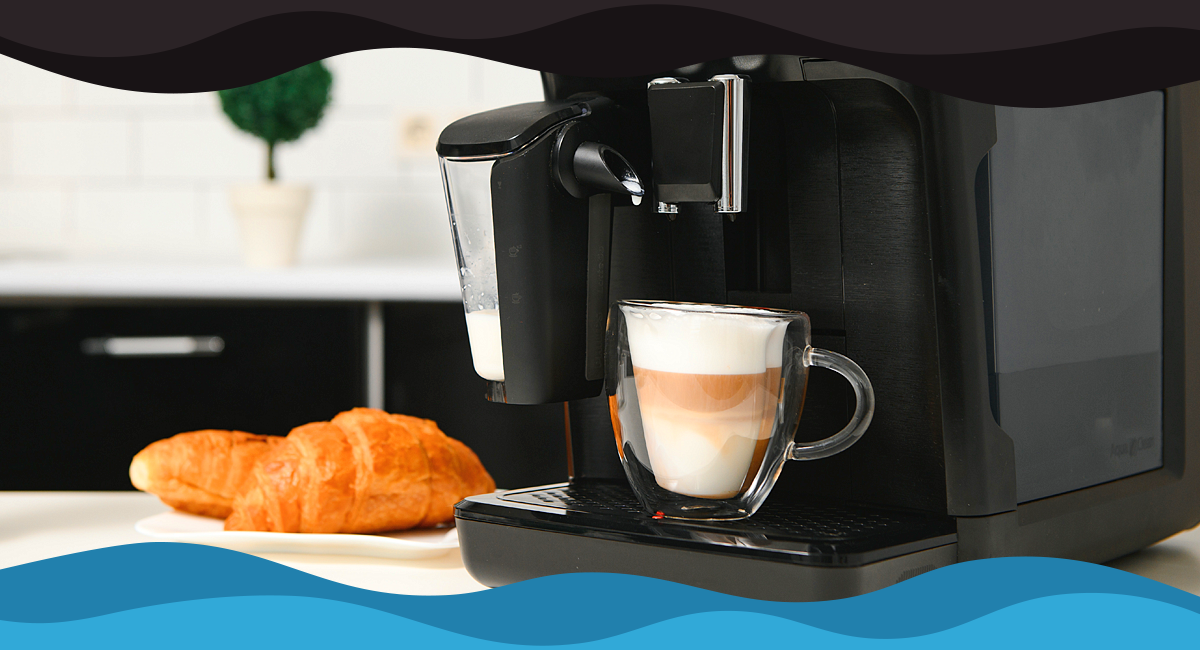
Most commercial bean-to-cup machines include integrated milk systems designed to automatically heat and froth milk for a wide range of drinks.
Milk may be supplied from:
-
An internal milk container for lower volumes
-
An external refrigerated milk fridge for higher-volume service
Milk systems deliver consistent temperature and foam texture across drinks, removing the need for manual steaming, particularly valuable during busy periods. Because milk hygiene is critical, many machines include automated milk cleaning cycles that prompt staff to complete cleaning at the end of service.
What this means for cafés: Faster milk-based drinks, less staff training, and consistent results even during peak service.
Programming & Drink Customisation
Despite their automated nature, bean-to-cup machines offer a high level of control over drink recipes. Operators can typically adjust:
-
Coffee strength and dose
-
Drink volume
-
Water temperature
-
Milk volume and foam level
Once programmed, recipes remain consistent across every drink and every shift. Many cafés lock advanced settings to prevent accidental changes during service.
What this means for cafés: Consistent drinks, fewer mistakes, and greater control over quality without relying on individual barista skill.
Capacity, Throughput & Duty Cycle
Bean-to-cup machines are designed with specific output limits in mind, often expressed as recommended drinks per day.
Key performance factors include:
-
Maximum daily drink volume
-
Ability to brew coffee and dispense milk simultaneously
-
Peak-time performance versus sustained all-day output
Choosing a machine with sufficient capacity is essential in busy cafés. Under-specifying a machine can lead to slower service, increased wear, and downtime during peak periods.
What this means for cafés: Reliable performance during rushes and confidence that the machine can keep up with demand.
Integrated Grinder & Grind Adjustment
Built-in burr grinders ensure beans are ground fresh for every drink. Adjustable grind settings allow cafés to fine-tune extraction as beans age or change, helping maintain flavour consistency over time.
What this means for cafés: Fresh coffee with predictable results, without manual grinding.
Automated Cleaning & Rinse Cycles
Automated cleaning and rinse cycles are a core feature of most commercial bean-to-cup machines, designed to maintain hygiene, protect drink quality, and reduce manual workload for staff.
Throughout the day, many machines perform automatic rinse cycles when switched on, switched off, or between periods of inactivity. These rinses flush residual coffee oils from the brewing system and help prevent build-up.
At the end of service, machines typically prompt staff to run guided cleaning programmes. These programmes may include:
-
Cleaning the brew chamber using detergent tablets
-
Flushing internal coffee pathways
-
Automated milk system cleaning to remove milk residue from pipes and nozzles
Some machines require staff to insert cleaning tablets or connect milk cleaning solutions, while others handle much of the process internally once initiated.
What this means for cafés: Cleaning routines are standardised, less dependent on staff experience, and easier to complete correctly. This reduces hygiene risks and helps keep machines operating reliably in busy environments.
Fixed Dosing & Portion Control
Fixed dosing is one of the defining features of bean-to-cup machines. Each drink is programmed to use a precise amount of ground coffee and milk, measured automatically by the machine.
Once drink recipes are set, the machine consistently:
-
Grinds the same dose of coffee for each drink
-
Uses a fixed water volume
-
Dispenses a controlled amount of milk or foam
This eliminates variability caused by over- or under-dosing, which is common in manual setups — particularly during busy periods or across different staff members.
Some machines allow operators to adjust doses within defined ranges, while others are designed to keep settings locked for maximum consistency and cost control.
What this means for cafés: More predictable ingredient usage, easier stock forecasting, reduced waste, and tighter control over margins, which is especially important for high-volume operations.
User Interfaces & Controls
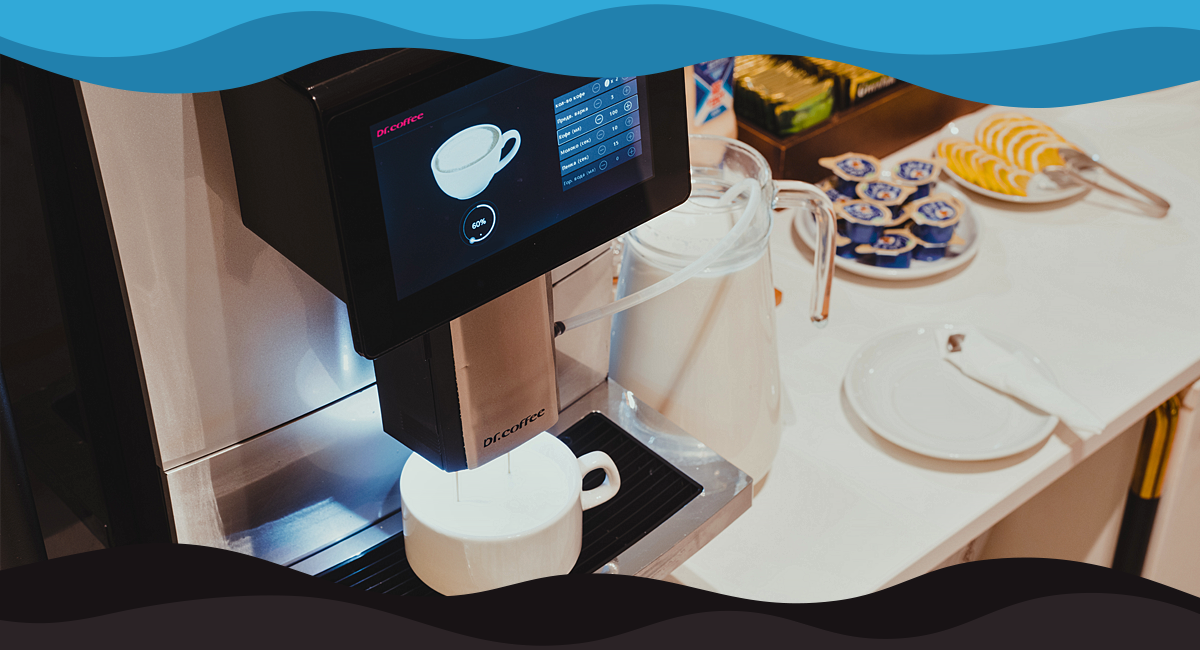
Modern bean-to-cup machines are designed to be intuitive to operate, even for staff with minimal training. User interfaces typically take the form of:
-
Touchscreens with drink icons
-
Programmable buttons for popular drinks
-
Step-by-step on-screen prompts for cleaning and maintenance
Drink selections are often displayed clearly, allowing staff to prepare drinks with a single touch. Advanced settings such as grind size, dosing, or temperature are usually hidden behind password-protected menus to prevent accidental changes during service.
Some machines also support:
-
Custom drink names
-
Different user access levels
-
Usage statistics displayed via the interface
What this means for cafés: Faster staff training, fewer errors during service, and smoother operation during busy periods without sacrificing control over how drinks are prepared.
Compact, All-in-One Design
Bean-to-cup machines combine multiple functions: grinding, brewing, milk frothing, and waste handling into a single, integrated unit.
Instead of separate grinders, espresso machines, and milk steamers, a bean-to-cup setup typically includes:
-
A built-in grinder and brew chamber
-
An integrated or external milk system
-
Internal waste containers for used coffee grounds
-
Drip trays and rinse systems housed within the machine
This all-in-one design reduces the overall footprint of the coffee station and simplifies installation. Many machines are designed to work efficiently in smaller spaces, while still delivering high output.
What this means for cafés: Better use of counter space, cleaner bar layouts, and fewer separate pieces of equipment to manage, particularly valuable in compact or food-led venues.

Why Bean-to-Cup Machines Are Ideal for Busy Cafés
In high-footfall café environments, bean-to-cup coffee machines help operators balance speed, consistency, and operational control without relying on specialist barista skills.
Speed and Efficiency
One-touch operation allows drinks to be prepared quickly, helping cafés maintain fast service during peak periods such as morning rushes.
High-Quality, Reliable Output
Pre-set recipes and controlled extraction mean bean-to-cup machines deliver reliable quality even when producing high volumes of drinks.
Consistency Across Staff
Because preparation is automated, drinks taste the same regardless of who is operating the machine, which is ideal for cafés with multiple shifts or rotating teams.
Low Training Overhead
Staff can be trained quickly, reducing onboarding time and dependence on experienced baristas.
Multi-Drink Capability
A single machine can produce a wide range of drinks, from espressos and americanos, to cappuccinos, lattes, flat whites and more, reducing the need for additional equipment.
Operational Benefits for Café Owners
Beyond speed and drink consistency, bean-to-cup machines offer a range of operational advantages that can make day-to-day café management simpler and more predictable, particularly in busy environments.
Simplified Cleaning and Maintenance
Most commercial bean-to-cup machines are designed with routine cleaning in mind. Daily tasks are guided by on-screen prompts and automated programmes, reducing the risk of missed steps or inconsistent hygiene standards.
Milk systems, in particular, benefit from automatic cleaning cycles that flush internal lines at the end of service. While manual cleaning is still required, especially for external components, the overall process is more structured and less labour-intensive than traditional espresso setups.
Regular maintenance tasks such as descaling are often prompted by the machine itself, helping prevent long-term issues and reducing unexpected breakdowns.
Reduced Downtime and Predictable Servicing
Because key processes are automated and monitored internally, bean-to-cup machines tend to deliver reliable performance when operated within their recommended capacity. Many models track usage and alert operators when servicing or maintenance is required, allowing issues to be addressed before they impact service.
For busy cafés, this predictability is important. Fewer variables during operation means fewer disruptions during peak periods, provided the machine is correctly specified for the volume of drinks being produced.
Improved Cost Control and Stock Management
Fixed dosing also plays a major role in operational cost control. Each drink uses a consistent amount of coffee, making it easier to track consumption, forecast stock requirements, and control costs.
This predictability reduces waste, simplifies ordering, and makes margins easier to manage, particularly for cafés producing high volumes of drinks each day.
Faster Service and Smoother Workflow
Automated drink preparation reduces congestion behind the counter and allows staff to focus on customer service rather than manual coffee preparation. During busy periods, this can significantly improve queue flow and overall service speed.
Because staff are not tied up steaming milk or managing multiple steps manually, cafés operate more efficiently during peak times.
Consistent Customer Experience
From an owner’s perspective, consistency builds trust. When customers receive the same quality drink every visit, regardless of who is working or how busy the café is, they are more likely to return.
Bean-to-cup machines help protect that consistency by removing many of the variables that can affect drink quality in manual setups.
When a Traditional Espresso Machine Might Be a Better Choice
While bean-to-cup machines offer many benefits, they aren’t the right solution for every café.
Commercial espresso machines may be better suited to:
-
Speciality cafés focused on coffee craftsmanship
-
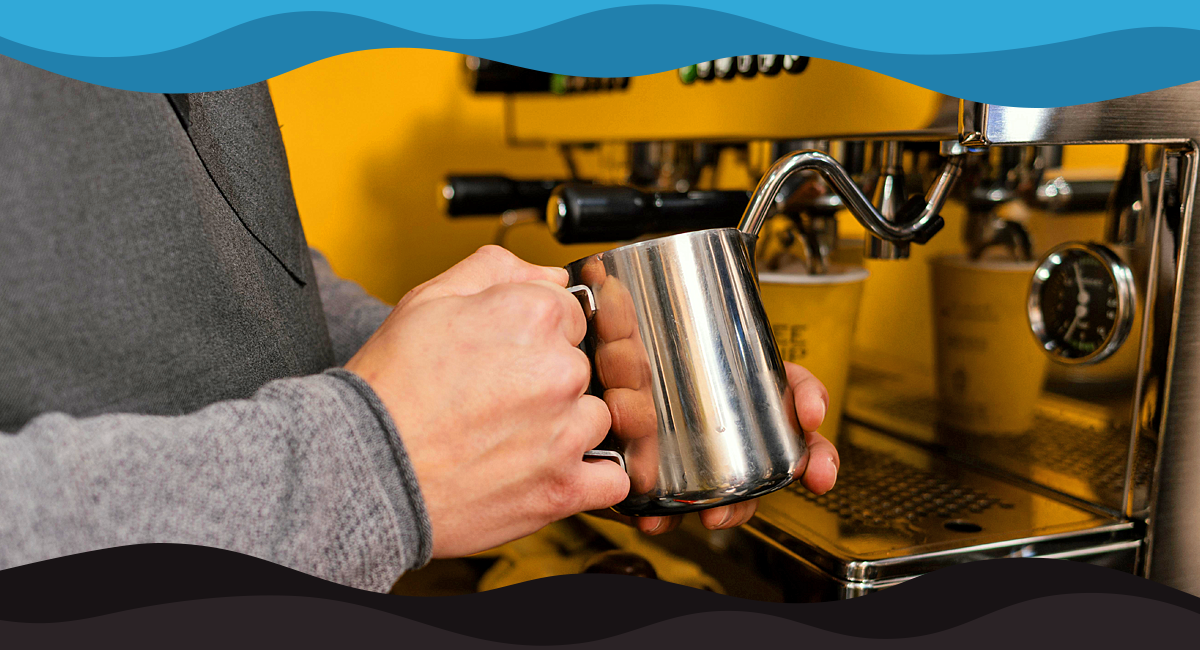
Businesses that value barista theatre and customer interaction
-
Menus built around single-origin coffees or bespoke recipes
Manual machines give skilled baristas greater control over grind size, dose, and extraction, which can be central to a café’s brand identity.
Many busy cafés choose a hybrid setup, using a bean-to-cup machine for speed and volume, alongside a traditional espresso machine for premium or speciality drinks.
Choosing Coffee Beans for Bean-to-Cup Machines
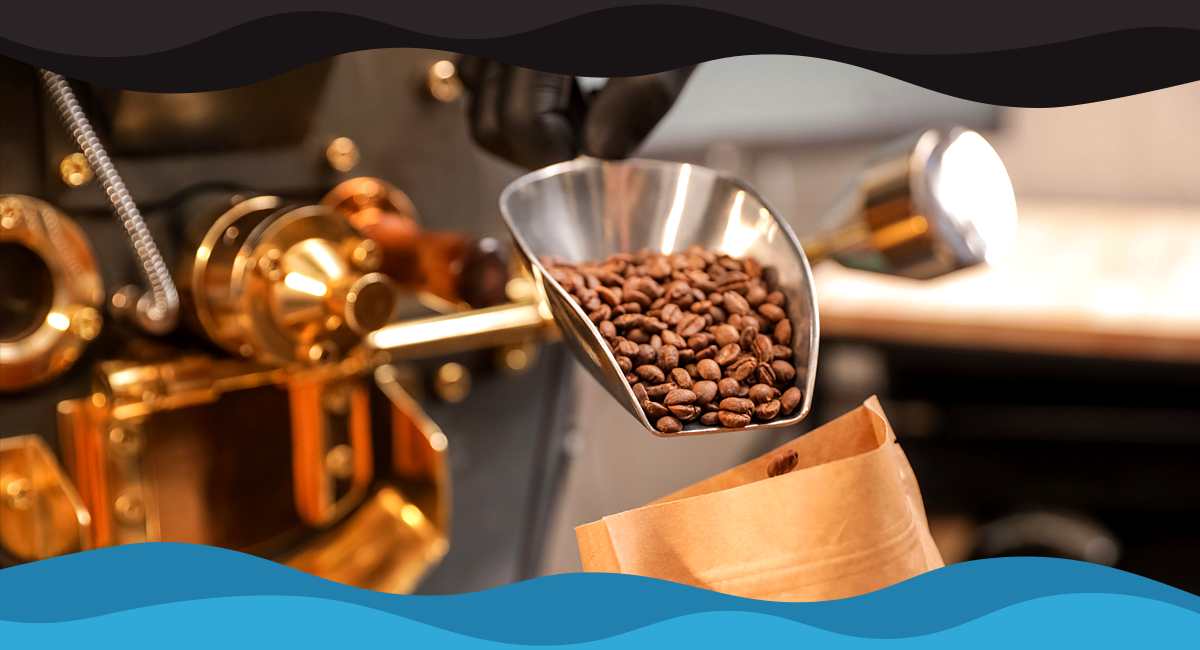
The performance of a bean-to-cup machine is closely linked to the coffee beans used. While these machines are designed to deliver consistent results, choosing the wrong beans can lead to flavour issues, increased maintenance, or reduced reliability.
Roast Level: Why Medium Roasts Work Best
Medium roasts are generally the best choice for bean-to-cup machines. They offer a balanced flavour profile that works well across a wide range of drinks, from espresso to milk-based beverages.
Very dark roasts tend to produce oily beans, which can coat grinder burrs and internal components over time. This can lead to inconsistent grinding, increased wear, and more frequent cleaning. Lighter roasts, while popular in speciality cafés, can be harder to extract consistently in automated systems and may result in under-extracted or sour flavours.
Tip: Choose a medium or medium-dark roast that has been developed for espresso-style extraction and performs reliably across high volumes.
Avoiding Oily Beans in Automated Systems
Oily beans are one of the most common causes of issues in bean-to-cup machines. As oils build up on grinder burrs and internal pathways, they can:
-
Affect grind consistency
-
Cause coffee residue to stick inside the machine
-
Increase the frequency of cleaning and maintenance
While oily beans may work in manual grinders that are cleaned frequently, they are less suitable for enclosed, automated systems designed to run continuously throughout the day.
Tip: Look for beans with a dry surface and avoid extremely dark roasts that leave visible oil on the beans.
Consistency Matters More Than Complexity
In busy cafés, consistency is more important than complexity. Bean-to-cup machines perform best when paired with beans that are:
-
Uniform in size and density
-
Blended for consistency rather than seasonal variation
-
Roasted to deliver reliable extraction rather than nuanced acidity
Single-origin coffees with frequent crop changes can introduce variability that automated machines are not always designed to compensate for without frequent recalibration.
Tip: Use a consistent house blend designed for espresso or automated machines, and make changes gradually if switching coffees.
Matching Beans to Your Drink Menu
Consider how your beans will perform across your full menu, not just in espresso. If your café primarily serves:
-
Milk-based drinks: Choose beans with chocolatey, nutty, or caramel notes that cut through milk well
-
Americanos and black coffee: Look for balanced acidity and body rather than high brightness
Tip: A versatile blend will perform better across multiple drink types and reduce the need for frequent recipe adjustments.
What This Means for Café Owners
Choosing wholesale coffee beans specifically suited to bean-to-cup machines offers a number of key benefits:
-
Protects grinder and machine components
-
Maintains consistent drink quality
-
Reduces maintenance and downtime
-
Simplifies calibration and staff training
For busy cafés, the goal is not just great coffee, it’s reliable coffee, served consistently, all day long.
FAQs
Next Steps
Browse our range of commercial bean to cup coffee machines online, or get in touch with our coffee experts for help and advice in finding exactly the right model for your business.
Browse Commercial Bean to Cup Machines