9 UK Café Trends Shaping Coffee Shops in 2026 |
 Print this page Print this page
|
9 UK Café Trends
Shaping Coffee Shops
in 2026
The UK café market is facing a familiar paradox: customer expectations are rising, while margins, staffing, and operational complexity are under constant pressure.
After years of disruption, from the pandemic to inflation, labour shortages, and changing consumer habits, the most successful coffee businesses are no longer those chasing novelty for novelty’s sake. Instead, they are focusing on consistency, quality, and relevance to customer lifestyles.
This article explores the key café and coffee trends shaping the UK market in 2026, and what they mean in practice for operators, hospitality managers, and coffee-led businesses.

1. Iced Coffee is Now a Year-Round Staple
In the UK, iced coffee has officially broken free from its summer-only reputation. Younger consumers, in particular, are ordering iced drinks regardless of the weather and increasingly as their default choice.
How it’s showing up in the UK market
-
Iced lattes and frappes occupy permanent menu space rather than seasonal features
-
Cold brew and nitro systems are appearing in independent cafés as well as chains
-
Strong winter sales of chilled formats, not just summer spikes
-
Increased prominence of iced drinks on delivery platforms and digital ordering menus
-
Visual marketing that prioritises cold beverages across social media
What’s shaping this trend?
Iced coffee’s rise in the UK is about more than just warmer weather or Instagram aesthetics. There’s been a fundamental shift in how, when, and why people order coffee. And cold formats are benefiting from that shift.
Habit formation
A generation of customers now associates coffee with iced formats as much as hot ones. For many younger consumers, their first café experiences involved iced lattes rather than traditional cappuccinos. Those early preferences have matured into long-term habits, making iced coffee part of an everyday routine rather than an occasional novelty.
Routine flexibility
Modern working patterns have changed when a lot of people buy coffee. Instead of everything happening in the early morning rush, demand is spread more evenly across the day. Late morning and afternoon have become important trading windows, and iced drinks tend to perform particularly well during those times. With more people working flexibly and moving between locations, quick, on-the-go coffee moments are more common. And colder drinks naturally fit that pattern.
Cultural normalisation
International coffee culture, particularly from the US and parts of Asia, has reshaped expectations of what standard coffee should look like. Through social media and travel, iced beverages have become visually and culturally embedded. As a result, cold coffee no longer feels weather-dependent or unconventional.
Perceived drinkability
Many consumers describe iced coffee as smoother, less intense, or easier to consume quickly. Whether scientifically accurate or not, this perception influences behaviour. The drink feels approachable, especially to newer coffee consumers who may find traditional hot espresso-based drinks more intimidating.
What this means for coffee businesses
If you’re still thinking about iced coffee as a summer extra, it’s probably time to rethink that. In many UK locations, cold drinks are now a steady part of year-round sales. When iced options feel secondary on the menu, you risk missing out on how a growing share of customers actually prefer to order.
It’s also worth paying attention to how these drinks are executed. Ice quality, dilution, cups, and recipe balance all matter more than they used to. Customers have a clear idea of what a good iced latte or cold brew should taste like. Consistency is what keeps them coming back.
Rather than just adding ice to an existing recipe, cold coffee is now its own fully formed category. The coffee businesses that treat it that way are the ones seeing the benefit.
2. Functional Coffee Moves into the Mainstream
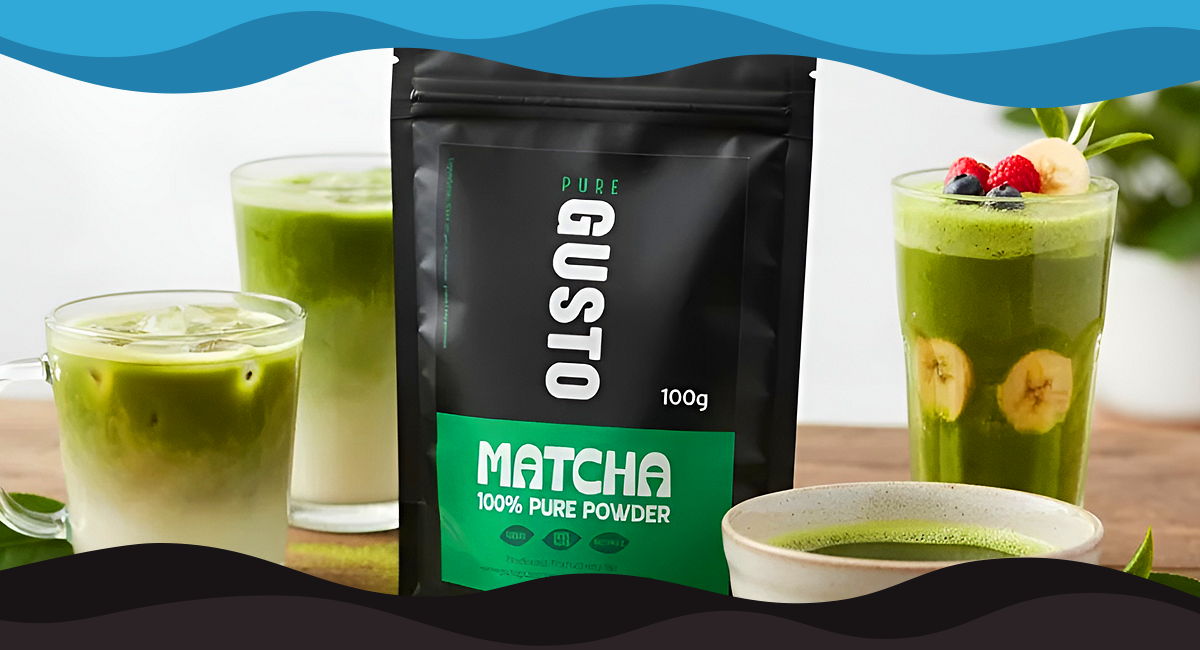
Functional ingredients are increasingly finding their way into everyday coffee menus across the UK. What was once confined to specialist wellness cafés is now appearing in mainstream environments.
This reflects a broader shift towards integrating perceived health benefits into familiar routines. But rather than replacing traditional coffee, functional elements are being layered onto it.
How it’s showing up in the UK market
-
Supplement enhancements and add-ins appearing on standard café menus
-
Mushroom coffees and other adaptogenic blends are gaining visibility beyond niche retailers
-
Supermarkets expanding functional, ready-to-drink coffee ranges
-
Increased customer familiarity with ingredients such as lion’s mane, ashwagandha, and turmeric
-
Café menu language subtly referencing focus, balance, or sustained energy
What’s shaping this trend?
Rather than a short-lived wellness fad, the move towards functional coffee reflects a wider change in how people think about energy, focus, and how their everyday habits can be optimised to deliver additional health benefits.
Integration of wellness into everyday habits
Consumers are increasingly focused on small, cumulative health improvements rather than dramatic lifestyle overhauls. Instead of adopting entirely new wellness routines, they are enhancing existing habits. Coffee, as one of the most consistent daily rituals, becomes a natural vehicle for added benefits without behavioural disruption.
Energy & focus
People are more aware of how caffeine affects them than they used to be. Coffee is not just being used for a quick boost anymore, and there’s growing interest in steadier energy and clearer focus. That’s why functional add-ins can feel purposeful rather than gimmicky, because they’re seen as supporting how people want to feel throughout the day.
Retail normalisation of ingredients
Functional ingredients aren’t niche anymore. You’ll find them in protein drinks, fortified snacks, and ready-to-drink products in most supermarkets. As people see and use these ingredients more often, they feel less unusual. What once sounded experimental now feels familiar, which makes it much easier for customers to accept them or seek them out on a café menu.
Softening of wellness messaging
Wellness culture itself has matured, and emphasis has shifted from dramatic claims to quieter support for everyday balance. This softer, less extreme positioning makes functional coffee more acceptable and easier to build into in mainstream café settings.
What this means for coffee businesses
You don’t need to turn your menu into a wellness manifesto, but it’s worth paying attention to what customers are becoming increasingly interested in. Functional add-ins work best when they feel like an enhancement to something familiar, not a replacement for it.
In most cases, it’s about offering simple upgrades rather than whole new drink categories. When positioned clearly and without overclaiming, these options can sit comfortably alongside your core menu and appeal to customers who want a little more from their daily coffee.
3. Reduced Sugar Without Reduced Enjoyment
UK consumers remain highly sugar-aware, but indulgence has not disappeared. Instead, sweetness is becoming more deliberate, measured, and refined. The shift is about recalibrating expectations around flavour balance and quality, rather than simply restricting sweetness.
How it’s showing up in the UK market
-
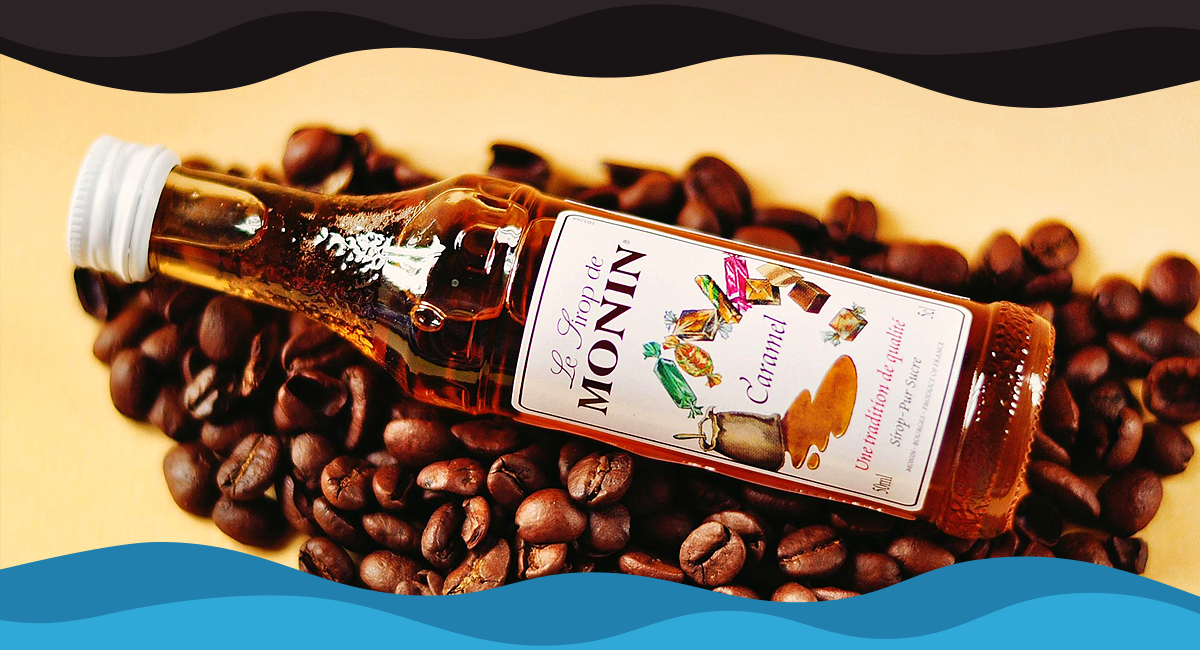
Increased availability of reduced-sugar and clean-label syrups
-
More frequent customer requests for customised sweetness levels
-
Menu descriptions that emphasise flavour notes rather than sweetness intensity
-
Smaller, premium-style seasonal drinks positioned as treats rather than large-format indulgences
-
Growing prominence of unsweetened iced and cold brew options
What’s shaping this trend?
This trend comes on the back of what has been a gradual, rather than dramatic change. Consumer understanding of what impacts health, and expectations around sweetness, have been shifting for a while, and that shift is now clearly visible in café culture.
Long-term public health influence
The UK’s sustained focus on sugar reduction through public health campaigns, reformulation initiatives, and broader media coverage has shaped consumer expectations over many years. Even where customers still choose indulgent drinks, there is greater awareness of sugar content and a stronger instinct towards moderation.
Taste sophistication
As specialty coffee has become more established, customers have become more comfortable with flavour. Notes like acidity, nuttiness, or fruit are expected. Because of that, there’s been a move towards more restrained sweetness. Better balanced drinks, where you can actually taste the coffee, now feel more in line with quality.
Reframing of indulgence
Indulgence itself has changed in meaning. Instead of quantity-driven excess, there is growing appreciation for smaller, well-composed drinks that feel intentional. Balance is increasingly interpreted as a sign of craftsmanship rather than restriction.
Wellness without extremity
People aren’t as interested in strict health rules as they once were, which can sometimes feel daunting or restrictive. Instead, they’re looking for habits they can stick to long term. That’s where moderation comes in. Cutting back on sugar in everyday drinks feels manageable and realistic, and it fits with a wider shift towards practical, balanced wellbeing rather than all-or-nothing approaches.
What this means for coffee businesses
There’s still a place for indulgent drinks, but balance is becoming more important than excess. Many customers now appreciate the option to dial sweetness up or down, and they notice when a drink tastes and looks considered rather than overpowering.
Small adjustments like offering half-sweet variations or using better quality flavourings can make a big difference. That’s not to say indulgence isn’t appreciated, but it’s becoming more refined rather than just being equated to larger sizes or more sugar.

4. Plant Milk Expectations Have Changed
Plant-based and non-dairy milk options are no longer a differentiator in UK cafés, and are broadly expected as a foundational part of the menu. However, as alternatives have become mainstream, customer expectations around taste, texture, and performance have risen significantly. The conversation has shifted from whether milk alternatives are actually available to whether high-quality alternatives are being used.
How it’s showing up in the UK market
-
Oat milk is frequently listed as prominently as dairy on menu boards
-
Growth in pistachio, macadamia, and blended alternative milks
-
Increased demand for unsweetened and low-sugar plant options
-
Higher scrutiny of foam stability and latte art performance
-
Reduced customer tolerance for split texture or overpowering flavour
What’s shaping this trend?
Plant milk has transitioned from alternative to established norm, and expectations have risen accordingly in terms of both the quality of the products and the way in which they’re integrated into a coffee menu.
Mainstream normalisation
Plant milk isn’t just for vegans or people with dietary restrictions anymore. It’s ordered by people from a range of age groups and for all sorts of reasons like taste, habit, or simple preference. As wider adoption has grown, it’s no longer seen as something cafés accommodate on request. For many customers, it’s become their default choice, and they expect it to be just as good as dairy.
Rising performance standards
Early plant milks were often forgiven for inconsistent texture or flavour. As product formulations have improved, tolerance for compromise has declined. Customers increasingly expect plant-based drinks to match dairy in mouthfeel, temperature stability, and integration.
Sustained environmental awareness
Sustainability might not be talked about as loudly as it was a few years ago, but it still plays a role in how people choose what they consume. Plant milk, in particular, continues to benefit from its link to lower environmental impact. Even if customers don’t always say that’s the reason, it often sits quietly in the background of the decision.
Menu maturity
As plant milks have become standard rather than specialist, cafés are being more selective about how they use them, choosing alternatives that genuinely work with the coffee and suit the menu. We’re also seeing a subtle shift in how they’re positioned. Instead of being treated purely as swaps for dairy, plant milks are increasingly considered part of the overall flavour of the drink, signalling a more thoughtful approach to their inclusion in menu design.
What this means for coffee businesses
Most customers now expect plant milk to be just as good as dairy. If it doesn’t steam properly or the flavour throws the drink off balance, people notice straight away. But instead of feeling like you need to stock every option under the sun, it often works better to focus on a few that you know perform well and suit your coffee.
There’s also a bigger opportunity here. Rather than treating plant milk as just a swap for dairy, think about how its flavour or texture could shape the drink itself. For example, oat brings natural sweetness, macadamia adds richness, and pistachio has a distinct character.
So rather than being compromises, they’re actually features that mean you can design drinks that lean into those qualities. In turn, your menu feels more intentional and more interesting than simply offering a like-for-like replacement. When you start using dairy alternatives as a key part of the recipe, it opens up creative possibilities instead of just ticking a box.
5. Bean-to-Cup Machines Gain Serious Ground
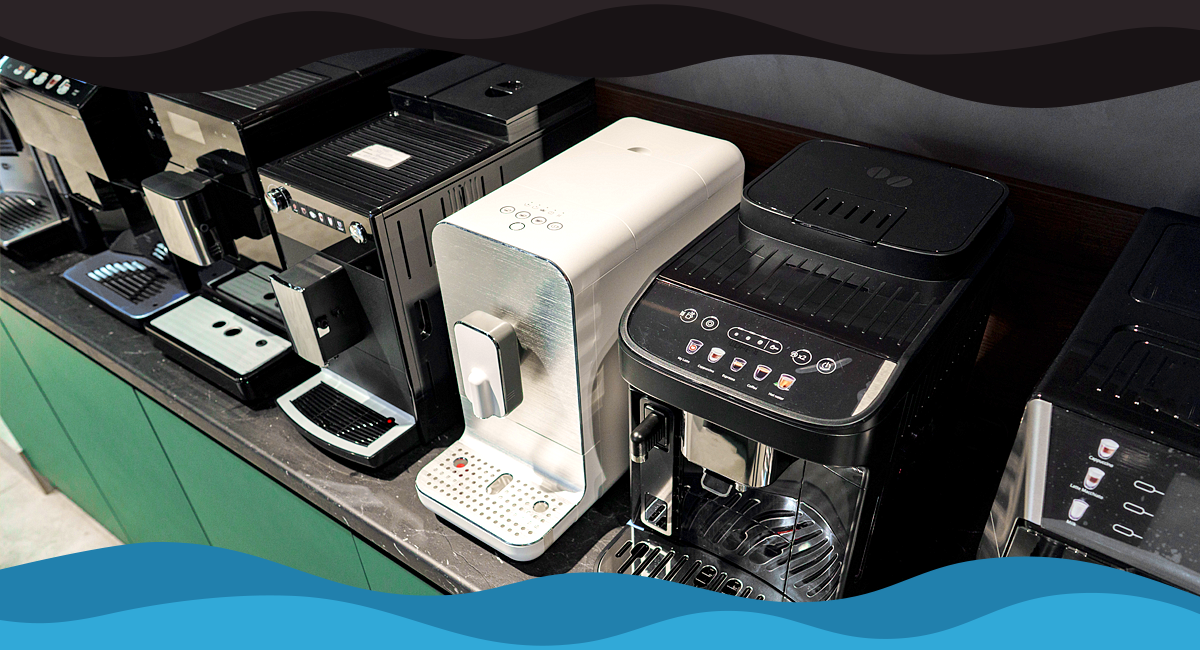
High-quality commercial bean-to-cup systems are becoming more visible across the UK hospitality landscape. Advances in technology have shifted perceptions around automation, particularly outside traditional specialty environments.
How it’s showing up in the UK market
-
Increased adoption in bakeries, hotels, and multi-site hospitality groups
-
Greater presence in high-footfall takeaway environments
-
Improved milk systems delivering a more refined texture
-
Expansion of compact commercial models suited to smaller sites
-
Growing consumer indifference to preparation method when quality is consistent
What’s shaping this trend?
Modern bean-to-cup machines no longer represent a compromise compared to more traditional espresso machines, and in the right scenario offer a range of valuable benefits. They represent an evolution in the coffee machine sector that’s being driven by a few key factors.
Labour market instability
Recruitment is still a challenge across UK hospitality, and staff turnover remains high in many areas. That makes consistency harder to maintain, especially when new team members are constantly being trained. Bean-to-cup machines can ease some of that pressure. By reducing reliance on specialist skills, they help to make quality stable, even when teams change.
Consistency as a brand expectation
Customers expect their coffee to taste the same every time they buy from a brand. Whether they’re visiting once a week or every day, consistency builds trust. In a competitive market, noticeable variation can quickly undermine that trust, but bean-to-cup systems help deliver the same result again and again, which is especially important for multi-site operators.
Technological advancement
Modern bean-to-cup systems have significantly improved grinder calibration, extraction control, and milk texturing. The quality of the coffee that commercial bean-to-cup machines now produce is fantastic, which has eroded resistance from operators who previously associated automation with compromise.
Operational resilience
When economic conditions feel uncertain, equipment that simplifies workflows and reduces mistakes can make day-to-day operations more predictable. The efficiency offered by bean-to-cup machines provides a buffer that helps to protect margins, reduce waste, and keep standards steady even when things get busy or staffing changes.
What this means for coffee businesses
Automation is about finding the right setup for your space, your team, and your volume. For some coffee shops, the manual control and sense of theatre that traditional espresso machines offer remain an important part of the experience. But for others, consistency, efficiency, and speed are the priority.The key is being honest about what works operationally. If a system helps you deliver a reliable cup every time, especially during busy periods, that reliability becomes part of how your customers perceive you.

6. Smaller Footprints, Smarter Concepts
Café formats across the UK are becoming more compact and strategically focused. Expansion strategies increasingly prioritise efficiency, adaptability, and reduced exposure to fixed costs.
How it’s showing up in the UK market
-
Growth of takeaway-first and kiosk-style sites
-
Coffee + bakery and hybrid retail integrations
-
Reduced seating capacity in new urban openings
-
Increased presence in transport hubs and mixed-use developments
-
Workflow design optimised for speed and throughput
-
A rise in premium mobile coffee vans and event-based pop-ups offering specialty-level drinks
What’s shaping this trend?
This move toward leaner formats isn’t about minimalism for its own sake. It’s the result of economic reality meeting changing customer behaviour. The result of this is leaner, more flexible models of operating.
Persistent cost pressure
High rents, energy costs, and wage increases continue to shape commercial viability. Smaller spaces can often be a way for small businesses to reduce long-term financial commitment and improve flexibility in uncertain markets.
Changing dwell behaviour
While people still enjoy spending time in coffee shops, an increasing proportion of customers are less likely to linger for extended periods. Faster visits and takeaway habits therefore reduce the commercial return on having large seating areas.
Improved workflow and equipment design
Modern coffee equipment makes it much easier to serve high volumes from smaller spaces. You don’t need a large back bar or a full traditional setup to produce consistent drinks. And these days, efficiency doesn’t have to come at the expense of quality. That’s a big reason why smaller sites and mobile setups are not just viable, but can compete at the premium end of the market in a way they might not have been able to before.
Low-risk testing and brand visibility
Pop-ups and mobile coffee vans allow operators to test locations, build brand awareness, and generate revenue without committing to long leases. They offer flexibility, seasonal adaptability, and the ability to follow footfall rather than rely solely on fixed locations.
What this means for coffee businesses
The traditional high-rent, large-seating café model isn’t the only viable route anymore. Many operators are proving that you can deliver a premium coffee experience from a compact site, or even from a van, as long as quality and consistency are there.
If you’re reviewing layout or thinking about expansion, it’s worth asking whether flexibility could be an advantage. A smaller space, a satellite kiosk, or even a branded mobile unit can extend reach without the same level of financial exposure.
The important thing is to work with a format that matches how, when, and where customers actually buy coffee today. In many cases, agility is becoming just as valuable as square footage.
7. Experience Over Complexity
Technology can absolutely improve stock control, but only if the underlying processes are already in place. If stock levels aren’t reviewed consistently,UK coffee culture is shifting toward clarity and confidence, rather than trying to impress with technical detail. Simplicity is about quality and refinement. More cafés are focusing on doing a few things really well, instead of layering on too many extra options or jargon. The result feels considered and assured, rather than stripped back. no system will compensate for that.
How it’s showing up in the UK market
-
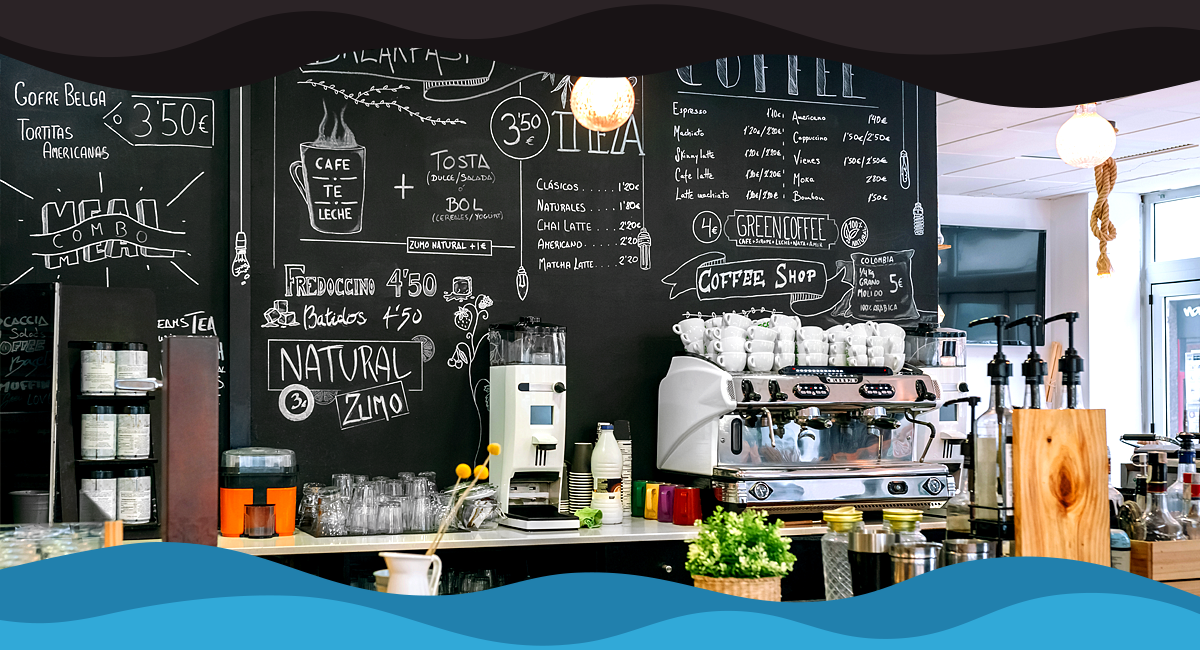
Streamlined menu boards with fewer overlapping options
-
Clearer, more accessible flavour descriptors
-
Reduced emphasis on highly detailed origin storytelling
-
Branding focused on warmth and approachability
-
Greater emphasis on consistent execution over novelty
What’s shaping this trend?
After seeing trends of experimentation and expansion, the UK’s coffee culture has reached a more settled phase. What we’re seeing now is less about adding layers and more about refining them. Clarity helps to simplify the decision-making process for consumers and is increasingly perceived as sophistication, rather than oversimplification.
Consumer familiarity with specialty coffee
Today’s customers are far more comfortable with coffee terminology and quality markers than they were in the past. Flat whites, single origins, and different roast profiles are no longer niche concepts. Because of that familiarity, cafés don’t need to over-explain or over-complicate to signal quality.
Information fatigue
We’re operating in a culture saturated with choice, messaging, and constant stimulation. When a menu is overloaded with lots of very similar options or highly technical language, it can slow people down. Streamlined menus reduce cognitive load and make ordering feel smoother. In that context, simplicity feels efficient, intentional, and actually a bit of a luxury.
Desire for reassurance
Periods of economic uncertainty tend to increase demand for familiarity and reliability. People gravitate toward places that feel dependable and easy to navigate. A café that delivers consistent quality without friction provides a small but meaningful sense of comfort in an otherwise unpredictable environment.
Shift from spectacle to substance
The early days of third-wave coffee often leaned into theatre, like detailed origin stories, complex brewing methods, and visible experimentation. That phase helped raise standards, but it has matured. Today, quality tends to speak through execution and consistency, rather than complexity for its own sake.
What this means for coffee businesses
There’s nothing wrong with having depth on your menu, but there’s a difference between depth and overload. When customers are faced with too many similar options or overly technical descriptions, it can slow down ordering and create uncertainty, especially during busy periods.
In many cases, a tighter, more confident menu actually feels more premium. When you curate what you offer and explain it clearly, customers feel guided rather than overwhelmed. That builds trust, and trust is what keeps people coming back.
It’s also worth remembering that most customers aren’t looking for a coffee lesson every time they order. They want something they know will taste good, served by people who seem confident in what they’re doing. Rather than diluting the quality of your customer experience, clarity and simplicity can actually be great ways to enhance it.
8. Coffee as an All-Day Offering
Coffee’s role in the UK is expanding beyond the morning rush. It is increasingly woven into varied daily rhythms, from mid-afternoon breaks to early evening social occasions.
How it’s showing up in the UK market
-
Growth in afternoon iced and flavoured drink sales
-
Greater visibility of decaf and low-caffeine options
-
Emergence of coffee mocktails and alcohol-free formats
-
Extended trading hours in select urban environments
-
Increased mid-afternoon footfall
What’s shaping this trend?
Coffee’s role in daily life is stretching beyond its traditional boundaries. That expansion is tied to wider social shifts in how people socialise, work, and structure their time.
Alcohol moderation
UK consumers, especially younger generations, are drinking less alcohol than in the past, and that shift is becoming culturally visible. Social occasions are no longer automatically tied to pubs or bars, particularly during the week, and places that serve premium coffee-based drinks, mocktails, and perhaps a light bite are increasingly seen as somewhere to meet, talk, or unwind without the expectation of drinking.
Flexible schedules
Remote and flexible working has dissolved rigid daily routines. Without a fixed commute or traditional 9-5 rhythm, coffee breaks and coffee runs have become more fluid. For example, a mid-afternoon flat white or an early-evening frappe feels natural when the structure of the day is less structured. As people’s routines become more diverse, so do consumption windows.
Product diversification
The growth of decaf, low-caffeine, and cold formats has quietly expanded coffee’s usability. When customers have options that won’t disrupt sleep or feel too heavy late in the day, coffee becomes more versatile. It’s no longer just about morning energy because it can now suit a range of different moods and moments, with coffee shop drinks appreciated for their flavour and style, rather than simply being a caffeine boost.
Blurring of hospitality categories
Cafés increasingly function as informal workspaces, social hubs, and community spaces. That overlap broadens the context in which coffee is consumed. When coffee shops are somewhere people visit more, it naturally extends the hours for ordering.
What this means for coffee businesses
If most of your revenue still lands in a tight morning window, you’re not alone. But it’s worth looking at how the rest of the day could work harder for you.
Coffee doesn’t have to be confined to the morning rush. Iced drinks, decaf options, and lighter formats can give customers a reason to come back later in the day without changing your identity as a coffee-first business. Sometimes it’s just about making those options more visible and giving them a bit of attention.
There’s also a wider shift happening around social habits. Not everyone wants alcohol in the evening, and not every meeting happens first thing. So cafés that feel comfortable as afternoon or early-evening spaces can quietly expand their relevance without a full concept overhaul. You don’t need to reinvent what you do, but it might be worth thinking about how to get the most value from what you already do well.

9. Sustainability Becomes Practical, Not Performative
Sustainability remains relevant within the UK café sector, but expectations have matured. Customers are increasingly sceptical of broad claims and now value specific actions, particularly those that make sense within the context of how the business operates.
How it’s showing up in the UK market
-
Greater scrutiny of compostability and packaging claims
-
More visible waste reduction initiatives
-
Simplified sustainability messaging
-
Transparent sourcing information presented matter-of-factly
-
Customer questions focused on specifics rather than slogans
What’s shaping this trend?
Interest in sustainability hasn’t disappeared. If anything, it’s become more grounded. Customers still care, but they’re more selective about what they believe and more pragmatic about what they expect.
Greenwashing fatigue
After years of bold environmental claims across multiple industries, consumers have become more cautious. Broad but actually slightly vague statements about being eco-friendly or sustainable don’t carry the same weight they once did. People are more likely to look for specifics: what exactly has changed, and how? Clarity and real-world examples now build more credibility.
Economic realism
Cost-of-living pressures have influenced how people weigh environmental choices. Sustainability still matters, but it exists alongside concerns about value and affordability. Messaging that feels moralising or disconnected from economic reality tends to land less well than practical, sensible improvements. On the flip side, efficiency improvements that mean a business can be more sustainable and offer more cost-effective products are a win-win and worth highlighting.
Preference for visible action
Tangible steps like reducing waste, refining packaging, and cutting down on single-use materials feel more trustworthy than campaign-style branding. When customers can see evidence of sustainability initiatives in practice, even in small ways, it builds quiet confidence in the business.
Cultural maturation
Sustainability has moved beyond trend status. It’s no longer quite as much of a standout feature and has moved into being part of the baseline expectation. That shift means it works best when it’s integrated into everyday operations rather than presented as a headline initiative.
What this means for coffee businesses
Most customers these days care about sustainability, but they tend to be a bit more cautious about bold claims than they used to be. Big statements don’t carry the same weight unless there’s something tangible behind them.
Often, it’s the quieter changes that resonate most. Reducing waste, being thoughtful about packaging, or tightening up ordering to avoid excess are the kinds of things customers notice over time, especially when they’re consistent, and even better if they also help you to reduce costs.
It’s also recognising that people are balancing environmental concerns with cost-of-living pressures. Value still matters, and practical sustainability improvements that make sense from an operational or efficiency standpoint tend to land better than dramatic gestures that feel expensive or performative.

Key Takeaway: A More Considered Phase for UK Coffee Culture
Taken together, these trends point to something bigger than individual menu shifts or equipment choices. UK coffee culture is settling into a more considered phase.
Customers still care about quality, but they’re also looking for clarity. They’re open to innovation, but not complexity for its own sake. They’re more health-aware than they were a decade ago, yet less interested in rigid rules or dramatic claims.
Moderation, balance, and everyday well-being are shaping decisions just as much as flavour or price.
There’s also a noticeable shift toward integration rather than separation. Coffee doesn’t sit outside behaviour that relates to health, sustainability, or lifestyle anymore. It sits within them, which is why the trends we’re seeing in the coffee market are reflections of broader, evolving priorities.
The common thread: intentionality
The coffee trends we’re seeing now aren’t about piling on extra syrups, massively expanding options, or going overboard with messaging. They’re actually more about refining what’s already there, from tightening menus and improving execution, to designing drinks with purpose and choosing formats that reflect how people actually move through their day. None of these shifts requires dramatic reinvention, but they do reward awareness.
The coffee businesses that feel most relevant in 2026 aren’t necessarily the most experimental. They’re the ones that understand how customer priorities are evolving and adjust with confidence. And in a market that’s more competitive and more cost-sensitive than ever, that kind of quiet clarity can make a real difference.
Supplies for all kinds of coffee businesses
Whatever kind of coffee business you run, at PureGusto, we’re here to provide the supplies you need to operate successfully. From our award-winning coffee beans to the latest coffee machines, we offer outstanding quality products at unbeatable prices.
Whether you’re looking for trusted staples or something new to meet the evolving demands of your customers, browse our range online or get in touch to chat about what we offer.