The Best Coffee Beans for Small Cafés: Flavour, Price & Supply Guide |
 Print this page Print this page
|
How To Find The Best
Coffee Beans for Small Cafés:
Flavour, Price & Supply Guide
Choosing the right coffee beans is one of the most important decisions a small café can make. It affects not just the taste of your coffee but your profit margins, customer loyalty, and day-to-day operations.
?The best coffee beans for small cafés are usually medium-roast blends with chocolatey or nutty flavour profiles, offering consistent quality, broad customer appeal, and strong profit potential.
?In this guide, we’ll break down what you need to consider and exactly how to choose coffee beans that work for your business, balancing flavour, quality, cost-efficiency, and reliable supply.
Article Summary / Key Takeaways
-
Choose crowd-pleasing flavour profiles that appeal to most customers
-
Focus on cost per cup, not just price per kilo
-
Prioritise consistency and reliable supply to avoid disruption
-
Use versatile beans that work across espresso and milk-based drinks
-
Work with a trusted supplier who supports your business long-term
Why Coffee Bean Choice Matters
Unlike larger chains, smaller coffee shops and independent cafés often tend to operate with tighter margins, limited storage space, and in many cases, smaller teams.
Because coffee is usually the core offering of the business, this means your coffee beans need to deliver consistent quality, ease of use, and reliable availability. The right product enables you to provide a dependable, profitable and customer-friendly coffee offering to customers.
A poor choice can lead to inconsistent drinks, wasted coffee during dial-in, and ultimately dissatisfied customers who don’t return.
In contrast, the right beans will help your drinks to stand out and create repeat business. They’ll also help your operation to run more smoothly overall and deliver a strong ROI across your whole coffee menu.
PureGusto Insight:
?It’s not coffee quality but consistency that a lot of smaller coffee shops tend to struggle with. Choosing a reliable, repeatable coffee is often more valuable than chasing the “best” or “most complex” bean.
What Makes a Great Coffee Bean for a Small Café?
The best coffee beans for cafés are defined by how well they perform in a real-world environment. For smaller coffee shops, the right coffee needs to balance four key factors, and getting these right is what separates a good coffee offering from a great one.
1. Flavour
Flavour is one of the key things your customers will remember, and what keeps them coming back.
For most small cafés, the goal isn’t to impress a handful of coffee enthusiasts but to satisfy a wide range of customers consistently. Beans with overly complex or unusual flavour profiles can be interesting, but they often don’t translate into repeat orders.
A great café coffee should taste:
-
Balanced
-
Smooth
-
Easy to enjoy without explanation
This is why chocolatey, nutty, and caramel notes tend to perform best, because they’re familiar, approachable, and work well across different drink styles.
2. Price
Price matters, but should primarily be considered in the context of the profitability of your business.
Focusing purely on the absolute cheapest beans can be a false economy. Lower-cost coffee often leads to inconsistent extraction and higher waste during dial-in, as well as reduced customer satisfaction
Instead, small cafés should focus on value per cup, not price per kilo. A great value coffee is one that offers a good price to performance ratio that:
-
Performs consistently
-
Tastes great and satisfies customers
-
Reduces waste
A slightly more expensive coffee that achieves these goals will almost always help your business to be more profitable over time than a slightly cheaper one that doesn’t
3. Consistency
Consistency is one of the most important factors when choosing coffee beans, but it’s one that’s often overlooked.
Reliable, consistent coffee allows you to:
-
Deliver the same quality every time
-
Standardise your workflow
-
Train staff more easily
In a busy café environment, you need coffee that behaves the same way every day. Inconsistent beans can mean you have to make constant grinder adjustments and end up with more wasted shots. This results in frustrated staff, mistakes, and extra cost.
From a customer perspective, inconsistency is even more damaging. If a regular customer’s coffee tastes different each visit, it undermines trust in your brand.
4. Versatility
Most small cafés don’t have the time or capacity to manage a lot of different coffees for different drinks. While it’s good to offer a few speciality coffees that appeal to enthusiasts, versatility is key when it comes to the coffee that you use for the bulk of your standard menu.
Your coffee beans should:
-
Perform well as espresso
-
Cut through milk in lattes and flat whites
-
Maintain balance across different recipes
A broadly appealing, versatile coffee simplifies operations and ensures every drink on your menu meets the same standard. This is especially important when you’re training new staff and handling busy service periods, especially when you want to maintain speed and consistency.
PureGusto Insight:
For a small café, the best bean is the one your team can serve brilliantly at 8:30am on a busy Monday morning, not just the one that tastes impressive on a quiet tasting table, made under perfect conditions.

Balancing Quality, Price & Profit (Cost Per Cup Explained)
When choosing coffee beans for your café, it’s easy to focus on price per kilo, but that’s not what determines your profitability. What really matters is cost per cup.
Once you start thinking this way, it becomes much easier to make smarter buying decisions.
From price per kilo to cost per cup
A typical double espresso uses around 18-20g of coffee. That means:
-
A 1kg bag produces roughly 50-55 double shots
So even small differences in price (£1-£2 per kilo) only translate to a few pence per cup. That’s why the bean price alone rarely makes or breaks your margins.
Where cafés actually lose money
In practice, profit is more often lost through inconsistency and waste than through the cost of the beans themselves.
Common issues include:
-
Extra shots wasted during dial-in
-
Inconsistent extraction leading to remakes
-
recipes drifting over time (using more coffee than needed)
These small inefficiencies add up quickly, especially when multiplied across hundreds of drinks per week.
PureGusto Insight:
Even a small reduction in waste can have a bigger impact on profit than switching to a cheaper coffee.
Why great value beats both cheap and expensive
The most profitable coffee for a small café usually sits in the middle of being competitively priced, while offering high enough quality to perform consistently. It should also be stable from batch to batch
This kind of coffee helps you:
-
Reduce waste
-
Maintain consistent drink quality
-
Avoid constant adjustments behind the bar
In contrast:
-
Very cheap coffee can create operational issues and customer dissatisfaction
-
Very expensive coffee can squeeze margins without a clear return
Blends vs single origin (from a margin perspective)
For most cafés, blends are the most commercially practical choice for use as a regular house coffee.
They typically offer better price consistency and deliver a stable flavour profile, while performing reliably across a range of espresso and milk-based drinks.
Single-origin coffees can play an important role, but usually as a secondary offering, seasonal feature, or upsell option for those looking for a more premium drink.
In practice
If you want to improve margins, focus on coffee that:
-
Is priced competitively
-
Behaves consistently and is easy to work with
-
Has a broadly appealing flavour profile
In a busy café, the most profitable coffee isn’t necessarily the cheapest; it’s the one that delivers consistent results, with minimal waste, every day.
Consistency & Supply: An Often Overlooked Factor
For small cafés and coffee shops, consistency is an important foundation that keeps your entire operation running smoothly.
You need to know that your coffee will always taste the same, behave the same, and be available when you need it. Without that, even good coffee becomes difficult to manage.
Why inconsistency creates problems quickly
In a real café environment, small changes in coffee can have immediate effects behind the bar. If your beans vary from batch to batch, you’ll often see issues like shots running faster or slower than expected, more time spent adjusting grinders, and ultimately inconsistent drink quality.
As well as impacting the quality of your drinks and customer satisfaction, these are all things that can affect the efficiency of your workflows and the confidence of your staff.
PureGusto Insight:
Frequent coffee changes disrupt workflow, staff confidence, and customer expectations.
Supply reliability is just as important as quality
Even the best coffee isn’t useful if you can’t get it consistently. Having to switch beans unexpectedly due to supply issues, or worse, running out completely, can lead to rushed dial-in adjustments, inconsistent drinks, and confusion for both staff and customers.
For regular customers, these are the kind of issues that are noticeable. And over time, it’s the sort of thing that can really start to erode customer trust in your café.
Consistency reduces waste and improves efficiency
When your coffee is stable and predictable, everything becomes easier. You can be confident in delivering great quality drinks to your customers every time
Consistency also means you can reduce the number of wasted shots and standardise recipes across your team, which helps the whole operation to run more smoothly.
Over time, this leads to:
-
Less waste
-
Reliable quality
-
Faster service
-
More predictable costs
In other words, consistency gives you control and helps to you not just set standards, but ensure they’re maintained day-in, day-out.
In practice
If you want smoother service and better margins, prioritise coffee that:
-
Is consistent from batch to batch
-
Is reliably available
-
Works predictably in your setup
Reliability is often an overlooked metric, but it’s actually an important one because it’s what allows everything else to work.
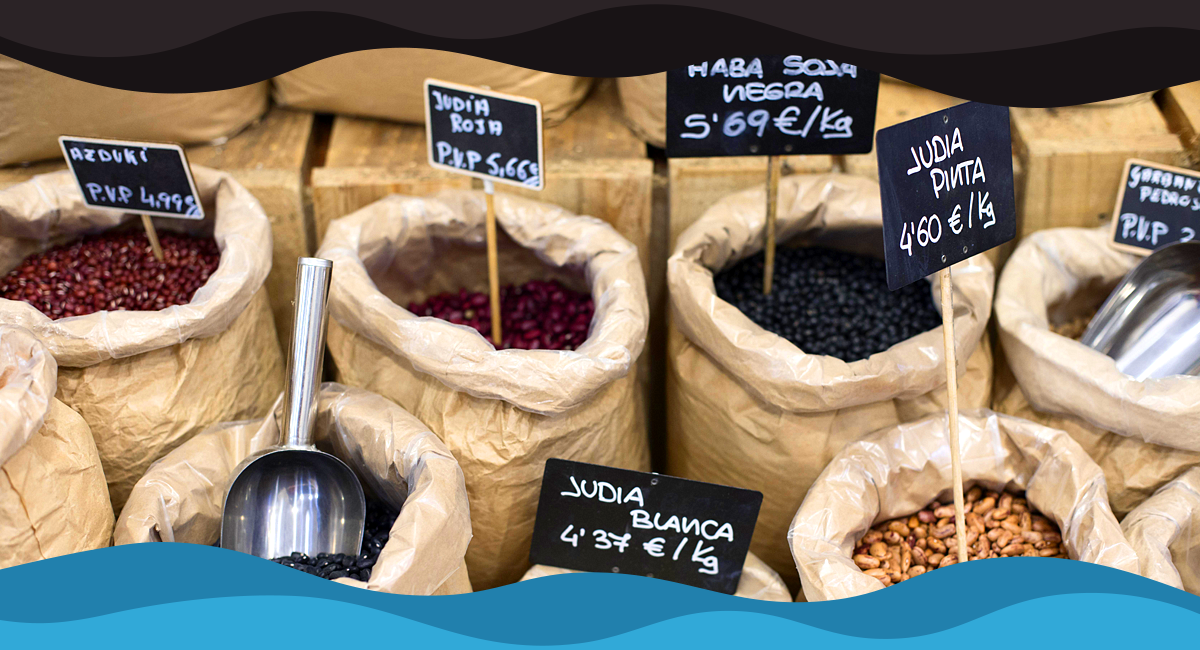
Choosing Beans That Work Across Your Menu
One of the biggest operational wins for a small café is choosing a coffee that works well across your entire menu.
In reality, most cafés aren’t going to be serving straight espresso all day. The bulk of coffee orders are usually things like lattes, flat whites, and cappuccinos.
So the real question you need to ask isn’t “Does this coffee taste good?”, it’s “Does this coffee still taste good in every drink we serve?”
Why this matters more than most people expect
A coffee can taste great on its own, but seem completely different once milk is added. You might find that acidity becomes a little too sharp, some of the flavours get a bit lost, or that the drink just tastes slightly unbalanced.
This is something we see quite often, especially when cafés choose beans based purely on cupping or personal preference, rather than how they perform in real service.
What to look for in a versatile coffee
Overall, the most reliable coffees to use commercially tend to have:
-
Chocolatey or nutty base notes
-
Low to medium acidity
-
A balanced, smooth finish
These profiles work well because they complement milk rather than compete with it and actually stay consistent across different drink sizes. They also appeal to a wide range of customers, and you’ll find most people will enjoy this type of coffee. They’re also often easier to work with during busy periods.
PureGusto Insight:
If your coffee doesn’t work well with milk, it won’t work for most customers because milk-based drinks generally tend to dominate out-of-home coffee sales in the UK.
Keep your coffee range simple
It’s tempting to offer a lot of different coffees for different drinks, but in reality, this can create more problems than it solves.
In some cases, your target market might primarily be coffee enthusiasts who value a wide range of different options to try, in which case an extensive menu of single origins makes sense. But in most coffee shops, more coffees usually means more dial-in time, more room for inconsistency, more pressure on your team, and more confusion for customers when ordering.
As a general rule of thumb, a simpler setup works better:
-
One broadly appealing and versatile house coffee
-
One or two speciality or guest coffees
That gives you consistency where it matters, but with enough flexibility and variety available on your menu to keep things interesting and cover pretty much all bases.
In practice
If you’re unsure whether a coffee is right for your café, test it in the drinks you actually sell (not just as espresso). Because at the end of the day, the best coffee for your business won’t necessarily be the one that’s the most interesting; it will usually be the one that performs consistently across every cup you serve.
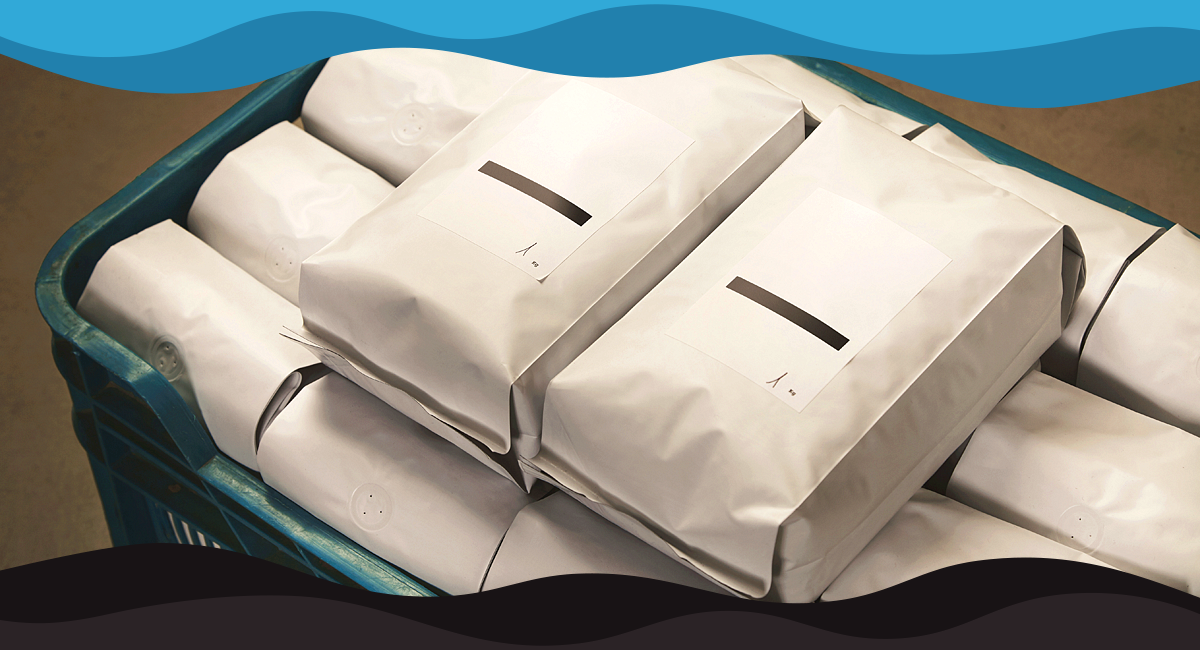
Freshness, Storage & Ordering: Getting the Basics Right
Even the best coffee beans won’t deliver consistent results if they’re not fresh or stored properly. This is actually one of the simplest areas to get right, but it’s also one of the most common causes of avoidable quality issues in small and independent coffee shops.
Why freshness matters
Coffee usually performs best within a relatively short window after roasting. As it ages, you’ll typically start to notice things like:
-
The flavour becoming a bit flatter
-
Less crema is produced on espressos
-
A bit more difficulty dialling in
These are things that tend to show up as inconsistency, for example, shots that don’t behave the way you expect, even when your setup hasn’t changed.
Order to match your usage
One of the most effective ways to maintain quality is to align your ordering with how quickly you use coffee.
For most small cafés, the goal is to find the right balance between cost efficiency (and benefiting from buying at discount or wholesale prices), and maintaining freshness and quality.
There are a few things you can do to help you get this balance right:
-
Take advantage of wholesale pricing where it makes sense
-
Order in volumes that match your actual weekly usage
-
Avoid overstocking beyond what you can use while the coffee is still at its best
For higher-volume cafés, larger wholesale orders can work very well. For smaller sites, it’s often more effective to split orders into regular deliveries while still benefiting from trade pricing.
PureGusto Insight:
Ordering slightly less, more often, is one of the easiest ways to improve coffee quality without increasing cost.
Store coffee properly (without overcomplicating it)
Good storage is pretty straightforward. You just need to make sure you’re consistent in how you approach it, and ensure all staff are aware of why it’s important.
Focus on the basics such as:
-
Keeping beans in airtight containers
-
Storing in a cool, dry place
-
Avoiding heat, light, and excess air exposure
In most cases, the original packaging is designed to protect freshness well, so there’s no need to overthink it.
Balance cost with freshness
Buying in bulk is probably one of the best ways to reduce your cost per cup, but only if the coffee is used while it’s still fresh.
If not, any savings might end up being lost through reduced quality, increased waste, and inconsistent results. For most cafés, a steady ordering rhythm delivers better long-term value.
In practice
Fresh coffee is easier to work with, more consistent, and delivers better results in the cup. Try to keep things simple by sticking to a regular ordering schedule, storing your beans properly, and rotating stock so that you use coffee within its peak window.

Summary: Finding the Right Coffee Beans for Your Café
Choosing the best coffee beans for your café is usually about finding the right balance between what’s important to you.
The cafés that perform best tend to focus on a few key principles:
-
Flavour that customers actually enjoy: smooth, balanced, and easy to come back to
-
Strong value, not just low cost: thinking in terms of cost per cup and overall margin
-
Consistency and reliability: coffee that behaves the same way every day and is always available
-
Versatility: one core coffee that works across your entire menu
Get these things right, and you’ve won half the battle. Service runs more smoothly, staff are easier to train, waste is reduced, and customers know exactly what to expect.
PureGusto Insight:
The most successful cafés don’t chase the “perfect” coffee; they choose one that works reliably, day in, day out.
If you’re choosing coffee for a small café or coffee shop, the important thing is to try not to overcomplicate it. We totally get it, you want to offer the best-tasting coffee that your customers will love, that also enables you to make a healthy profit.
So try and focus on finding a coffee that delivers consistent results, supports your workflow, and makes it easy to serve great drinks every time. Because in the long run, that’s what drives both customer loyalty and profitability.
At PureGusto, we work closely with small and independent cafés to supply coffee that balances:
-
Award-winning flavour
-
The most competitive wholesale pricing
-
Reliable, fast, and consistent delivery
If you’re looking for coffee beans that are easy to work with, consistently high quality, and priced to support your margins, explore our range or get in touch with our team.
We’ll help you find a coffee that fits your business, not just on paper, but in day-to-day service.