Arabica vs. Robusta: Which Beans Are Best For Your Coffee Menu? |
 Print this page Print this page
|
Arabica vs. Robusta:
Which Beans Are Best
For Your Coffee Menu?
Article Summary
-
Arabica and Robusta are the two main coffee beans used worldwide.
-
Arabica offers smooth, sweet, and complex flavours with lower caffeine, making it popular for specialty coffee.
-
Robusta is stronger, more bitter, and higher in caffeine, valued for its crema and affordability.
-
Many cafés and coffee shops use blends of the two for balanced flavour, cost, and consistency.
When planning your café menu and the type of coffee you want to serve, the beans you choose matter just as much as your brewing gear or barista skills. The two most common coffee varieties are Arabica and Robusta, and each brings unique qualities to the cup.
So if you operate a café, coffee shop, or other coffee focused business, and are looking for the best wholesale coffee beans, how do you choose whether Arabica or Robusta is right for your needs?
Well, Arabica is often seen as smooth, refined, and premium. Robusta, on the other hand, is bold, punchy, and practical. But neither is necessarily “better” across the board. It all depends on your customers, the drinks you serve, and the story you want your brand to tell.
To better answer this question, and to help you make an informed decision, we've put together this expert guide that compares Arabica vs Robusta coffee in a number of key areas.
Arabica vs. Robusta at a Glance
If you’re short on time, here’s a quick comparison table. It highlights the key differences between Arabica and Robusta coffee beans so you can see how each might fit into your café’s menu strategy.
Feature
Arabica
Robusta
Flavour
Smooth, sweet, complex; fruity & floral
Strong, earthy, nutty; more bitter
Acidity
Higher (bright, vibrant)
Lower (heavier body)
Caffeine
1.2% - 1.5%
2.2% - 3%
Crema (Espresso)
Lighter
Thick & rich
Customer perception
Premium, specialty
Strong, value-driven
Price
Higher
Lower
Best use
Single origins, filter coffee, premium espresso
Espresso blends, milk drinks, high-volume service
Global share
60–70% of coffee production
30–40% of coffee production
Resilience
Delicate, pest-prone
Hardy, pest- and disease-resistant
Climate needs
Cooler, stable, rich soil
Hotter, harsher, drought-tolerant
Altitude
600–2,000m (high altitudes)
Sea level–800m (low altitudes)
Origin
Ethiopia
Sub-Saharan Africa
Main producers today
Brazil, Colombia, Ethiopia, Costa Rica, Kenya
Vietnam, Uganda, Indonesia, India, Brazil
Botanical name
Coffea arabica
Coffea canephora
Why Your Bean Choice Matters
Choosing between Arabica and Robusta isn’t just a matter of taste. It’s a strategic decision that influences how your café is perceived, how drinks are enjoyed, and even how your bottom line looks at the end of the month.
Think about it this way:
-
Arabica positions you as a craft-focused café, appealing to customers who are willing to pay a premium for quality.
-
Robusta leans into strength, value, and consistency, which may be just as important depending on your customer base.
Your beans are part of your brand. The choice you make sets expectations and shapes the customer experience from the very first sip.
Common Misconceptions
Customer experience is perhaps the most important consideration, as guests expect certain flavour profiles depending on their choice of drink. For example, a black filter coffee calls for a different bean than a milk-based latte.
A common misconception is that Arabica is always better than Robusta, but in reality, each bean has its place, and a carefully designed menu may benefit from offering both.
Learn more about How To Choose The Best Coffee Beans
Arabica: Characteristics and Use Cases
Arabica is often regarded as the cornerstone of specialty coffee. It’s grown at higher altitudes in cooler climates, which gives it the refinement and complexity that coffee enthusiasts prize. But this elegance comes at a cost: Arabica plants are more delicate, harder to cultivate, and therefore can be more expensive to source than Robusta varieties.
Another reason Arabica is so widely celebrated is its natural sweetness. Compared with Robusta, it contains more sugars and fewer bitter compounds (like chlorogenic acid). This makes Arabica smoother on the palate, even when roasted darker.
With dozens of recognised varieties, Arabica offers cafés a huge range of distinct flavour profiles and stories to highlight on their menus. This diversity is what makes Arabica the bean most often used for single-origin coffees and specialty offerings.
Key Characteristics of Arabica Beans:
-
Flavour: Complex, floral, fruity, with bright acidity that adds a refreshing lift.
-
Caffeine: Lower (around 1.2%), resulting in a smoother, softer taste.
-
Price: Can be higher, reflecting the careful and more difficult growing conditions required.
-
Unique edge: Naturally sweeter and less bitter, thanks to higher sugar content and lower levels of chlorogenic acid.
Where to Us Arabica:
Arabica excels in black coffees and single-origin offerings where customers can appreciate its nuanced flavour. It’s also the bean of choice for premium espresso menus where origin, profile, and clarity of taste take centre stage.
Tip: Highlighting “100% Arabica” on your menu signals quality and can help justify a higher price point.
Robusta: Characteristics and Use Cases
Robusta doesn’t always get the same love as Arabica, but it deserves respect. This hardy bean grows at lower altitudes, tolerates harsher climates, and naturally resists pests. That makes it more reliable and more efficient to produce, which means it’s an excellent option for cafés that need strength and consistency.
One of Robusta’s standout qualities is its strength. It contains almost twice the caffeine of Arabica, giving it a punchy, energising profile that a lot of people appreciate. Alongside this, Robusta is rich in compounds that give it an earthy, bitter flavour and heavier body. This boldness may not be for everyone when tasted black, but it excels in blends and milk-based drinks where power and intensity are needed.
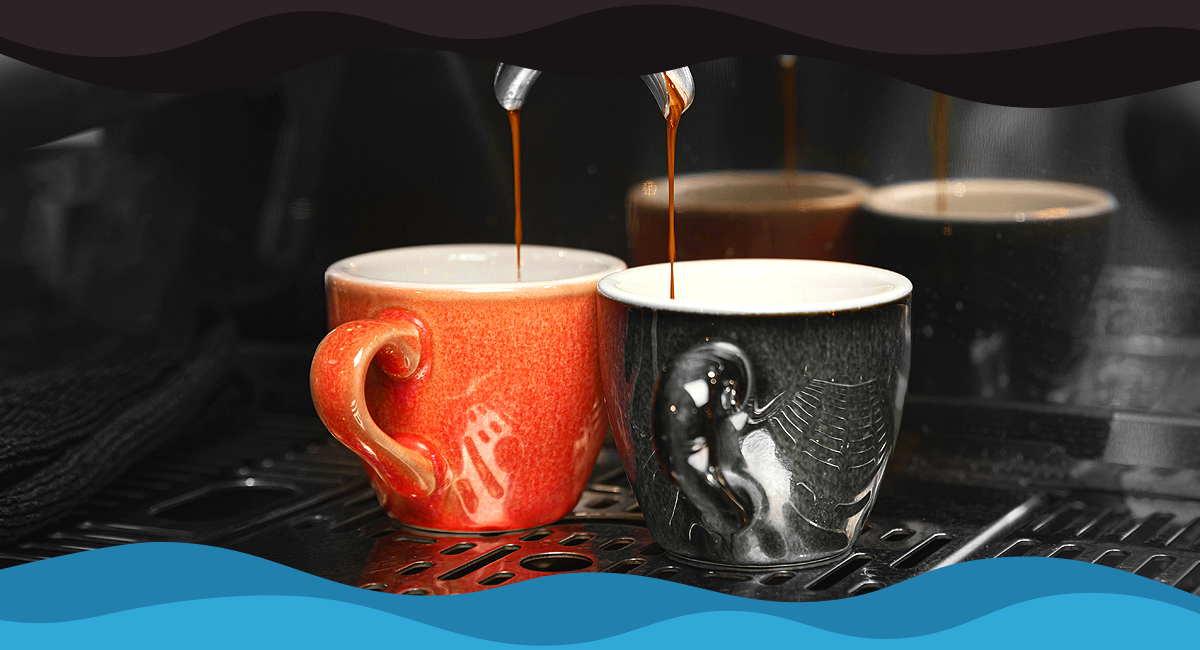
Robusta also brings something visual to the table. Its higher oil content and soluble compounds make it famous for producing a dense, golden crema (the thick layer that tops a well-pulled espresso). For many baristas and customers, that crema is a hallmark of quality, even if the underlying beans are more affordable.
Key Characteristics of Robusta Beans
-
Flavour: Earthy, nutty, more bitter, with a heavy body.
-
Caffeine: Higher (around 2.5%), providing a strong kick and more energy.
-
Price: Lower, thanks to hardier plants, higher yields, and cheaper cultivation.
-
Unique edge: Produces a thick, rich crema that’s highly prized in espresso.
Where to Us Robusta:
Robusta really comes into its own in espresso blends. Its crema enhances presentation, while its boldness cuts through milk beautifully, making it perfect for lattes, cappuccinos, and iced coffee. It’s also a budget-friendly choice for high-volume cafés where consistency, strength, and reliability matter most.
Tip: Don’t underestimate how much customers value a rich crema on their espresso, which is often thanks to Robusta.
Blending Arabica & Robusta: The Best of Both Worlds?
The smartest choice for many cafés isn’t always Arabica or Robusta, but rather a thoughtful blend of the two. While single origin coffees can be superb, and certainly have a place on your menu, coffee blends allow you to balance flavour, cost, and performance in a way that matches your café’s needs.
Why Blending Coffee Works:
-
Arabica adds clarity, sweetness, and complexity.
-
Robusta contributes body, crema, and caffeine punch.
-
Together, they create a balanced, reliable cup that works across a wide range of drinks.
Popular Arabica/Robusta Ratios:
-
80/20 (Arabica/Robusta): Smooth espresso with excellent crema.
-
70/30 or 60/40: Stronger profile while remaining approachable.
-
50/50: Bold blends perfect for iced coffee or vending espresso.
For many cafés and coffee shops, coffee blends are often used as the house espresso. They’re versatile enough for both black and milk-based drinks, have a reliable flavour profile that appeals to most people, and remain cost-effective for high traffic.
An advantage to this is that it gives room on the menu for additional single origin Arabica options for those customers looking for a more unique experience, which they're usually prepared to pay a premium for.
Arabica vs. Robusta: Key Factors to Help You Decide
The truth is, there’s no universal answer to this. The right beans depend on a range of factors such as your customers, your menu, the volume of drinks you serve, and where your brand sits in the market. But with that being said, here’s a framework to guide your decision:
Customer Preferences
Are your guests adventurous coffee enthusiasts looking for flavour notes of berry and citrus? If so, Arabica will impress. Do they want a strong, energising cup that “does the job”? Then Robusta-heavy blends might suit them better.
Drink Styles
Black filter coffees (like pour-overs or Americanos) showcase Arabica’s delicate profile best. Milk-based drinks (like cappuccinos or mochas) benefit from Robusta’s boldness, which cuts through the creaminess.
Brand Positioning
Specialty coffee shops often lean on 100% Arabica, and in particular single origin options, to showcase craftsmanship and differentiate themselves in the market. Everyday cafés or high-volume venues may find that blends align better with their promise of value and consistency.
Cost Strategy
Investing in Arabica can elevate your brand and justify higher prices. But if you’re focused on efficiency and profit margins, Robusta blends offer affordability without sacrificing reliability. For example, if your star menu item is a good value latte, Robusta blends might give you healthier margins, but if your business model focuses on higher end pour-overs and single-origin espressos, 100% Arabica is worth the investment.
Staff Skill Level & Training
Arabica’s delicate flavours often shine best with careful preparation methods like pour-over or precision espresso pulls. Robusta (and Arabica/Robusta blends) are more forgiving, which can be useful in fast-paced environments where not every barista is highly experienced.
Customer Education & Marketing Potential
Arabica gives businesses the chance to highlight the origin of their beans, tasting notes, and unique varieties, which can be appealing to customers who want a premium coffee experience. Robusta and blends can be marketed for their crema, strength, and value.
Sustainability & Ethical Sourcing
Sustainability is increasingly important for customers, and some coffee shops highlight Arabica sourced from specific farms with certifications such as Fairtrade or Rainforest Alliance. Robusta, being easier to cultivate, often has a smaller environmental footprint, which is another angle businesses can emphasise.

Arabica vs Robusta: FAQs
Expertise in Helping You Source The Best Coffee
At PureGusto, we supply a wide range of premium wholesale coffee. Our selection includes everything from exclusive Arabica single origins to expertly balanced blends. Whichever you pick, our premium convection roasting process ensures superb flavour, which is one of the reasons our coffees have earned multiple Great Taste awards.
So whether you want to elevate your espresso menu, or create cost-effective drinks with delicious house blends, our team can help you find the perfect beans for your business.
Explore our coffee range online, or get in touch for help in finding exactly the right beans for your menu.