Bean-to-Cup vs Espresso Coffee Machines: In-Depth Comparison |
 Print this page Print this page
|
Bean-to-Cup vs
Espresso Coffee Machines
In-Depth Comparison for
Commercial Use
Key Takeaways
-
Bean-to-cup machines are ideal for speed, consistency, and ease of use, especially in busy or self-service settings.
-
Espresso machines require trained staff but offer maximum control and premium coffee quality.
-
The right choice depends on your business model, daily cup volume, staffing level, space, and how important coffee is to your brand experience.
Serving great coffee can make a real difference to your business. It creates a better experience for customers, keeps staff happy, and helps present your brand in a professional, welcoming way.
But choosing the right commercial coffee machine isn’t always straightforward. Should you go for a bean-to-cup model that does everything for you, or a traditional espresso machine that offers full control and barista-level quality?
This guide breaks down the key differences, pros and cons, and common use cases so you can make a confident choice that fits your setup, your team, and your customers.
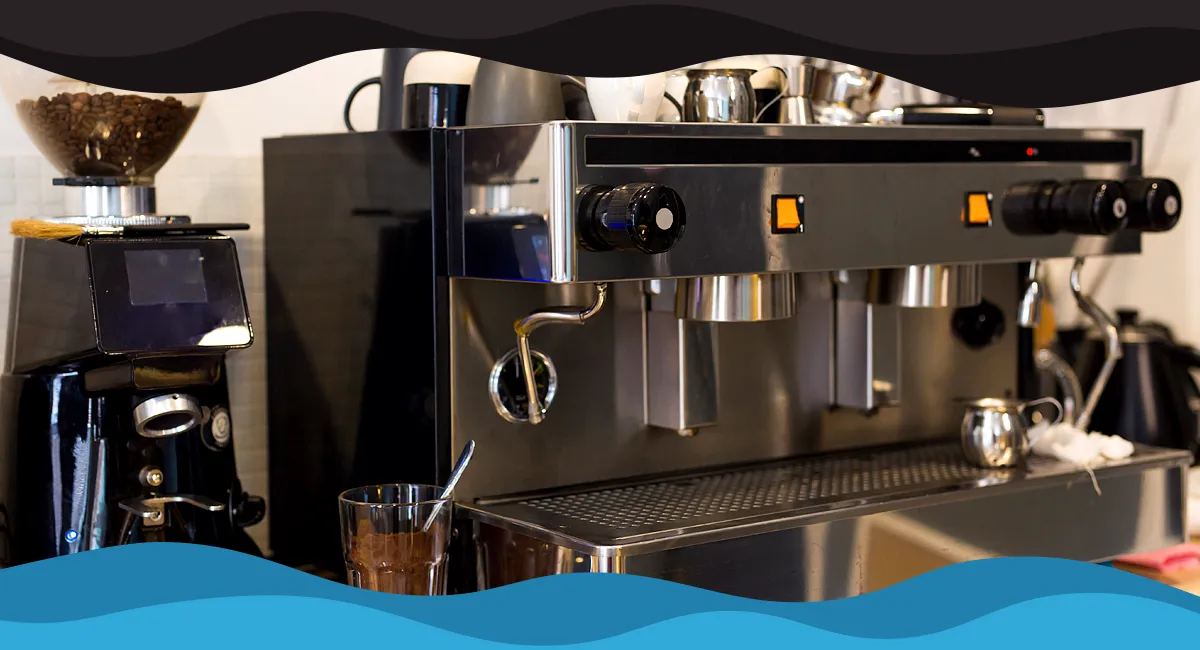
Bean-to-Cup vs. Espresso Machines: Quick Decision Checklist
Not sure which type of coffee machine is best for your business? We’ll get into more detail in this guide, but if you’re looking for a quick answer here’s a checklist to point you in the right direction.
Question
If You Answer…
You Probably Need…
How many cups per day do you serve?
Under 100
Bean-to-Cup
Over 100+ consistently
Espresso or High-Capacity Bean-to-Cup
Who will be operating the machine?
General staff or customers
Bean-to-Cup
Trained baristas or café staff
Espresso Machine
What’s more important?
Speed, consistency, ease
Bean-to-Cup
Craftsmanship, coffee quality, control
Espresso Machine
What’s your space like?
Self-service area, office, hotel lobby
Bean-to-Cup
Coffee bar, hospitality venue
Espresso Machine
Are staff trained in coffee prep?
No
Bean-to-Cup
Yes, or willing to train
Espresso Machine
Do you want milk drinks (lattes, cappuccinos)?
Yes, with minimal effort
Bean-to-Cup with milk system
Yes, with control over steaming
Espresso Machine with steam wand
What is your budget focus?
Simple setup, low training, lower labour cost
Bean-to-Cup
High-end coffee offer, long-term investment
Espresso Machine
As a general rule of thumb, when choosing the right kind of commercial coffee machine:
-
Choose Bean-to-Cup if you need speed, consistency, and ease-of-use with minimal training or barista skill.
-
Choose Espresso if you want total control, barista-style coffee, and a hands-on brewing experience.
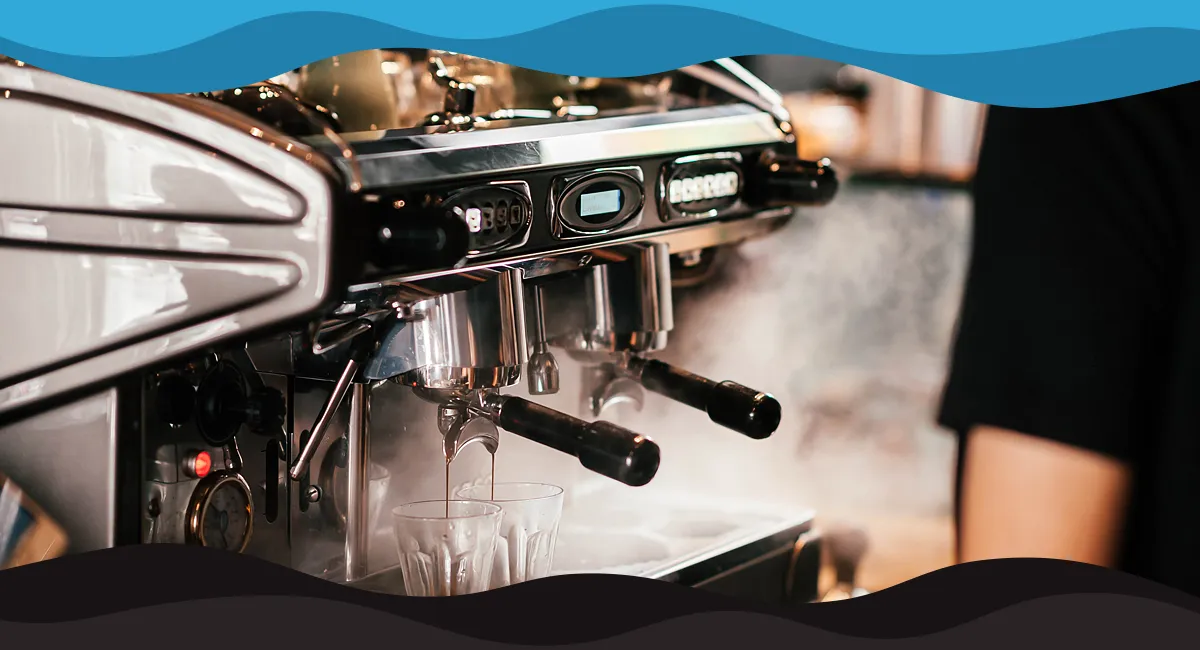
How These Coffee Machines Actually Work
Understanding how each machine works can make your decision much easier. Let’s break it down step by step and compare the roles, effort, and control involved with both commercial bean-to-cup and commercial espresso machines.
Bean-to-Cup Machines: One-Touch Simplicity
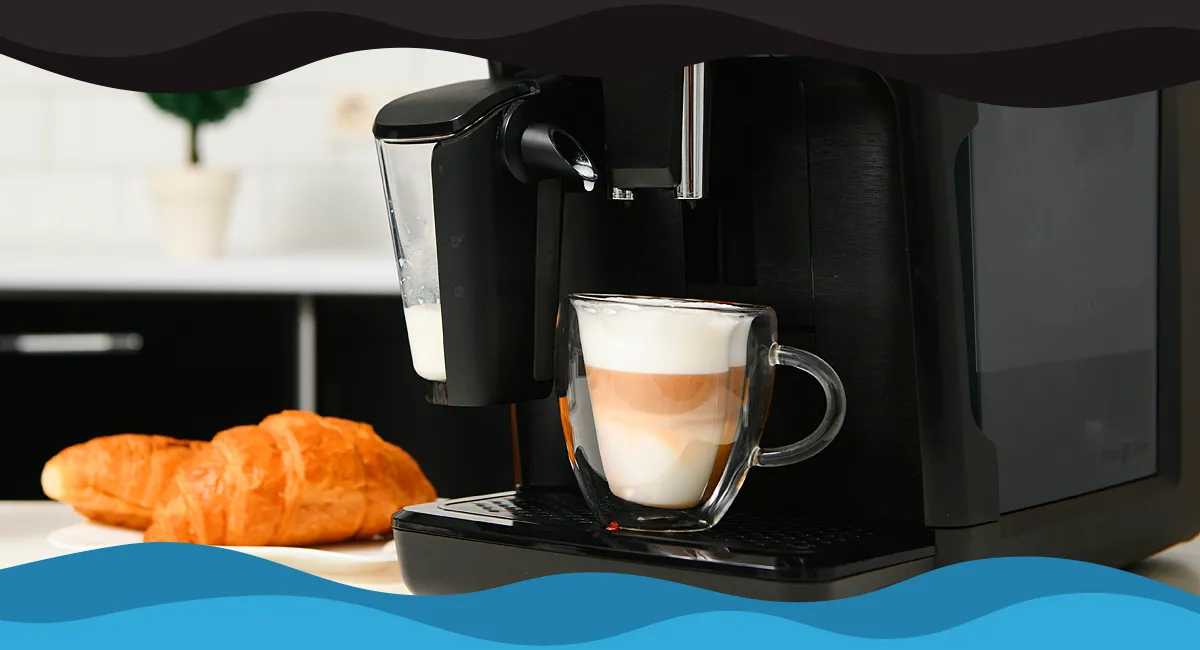
Bean-to-cup machines are fully automated. Just add beans and water, and the machine does the rest.
Workflow
-
Grinding: Beans are ground fresh for each drink.
-
Tamping: Machine compacts the grounds automatically.
-
Brewing: Water is heated and forced through the coffee.
-
Milk Frothing: Automatic milk systems steam and pour milk.
-
Cleaning: Many models run rinse and clean cycles on their own.
Ideal For
-
Fast, consistent service
-
Minimal user input
-
Environments with high staff turnover or self-service setups
Operator Role
Push a button, select a drink, refill beans/water/milk when needed. No barista skills required.
Browse Commercial Bean to Cup MachinesEspresso Machines: Manual Precision
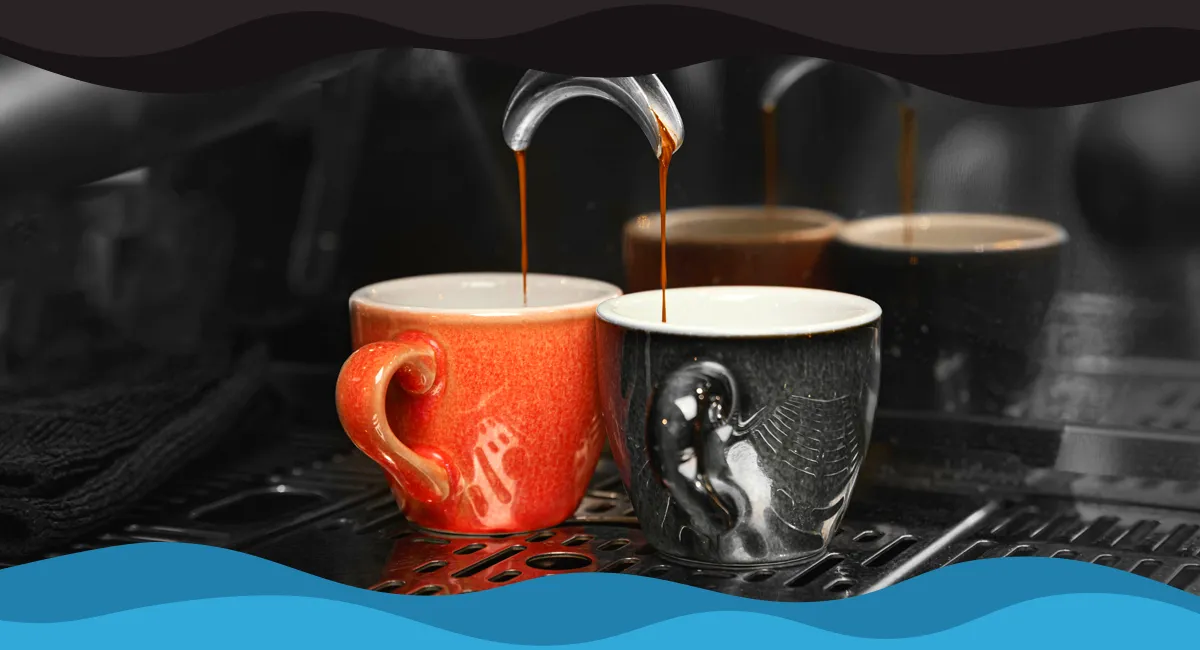
Espresso machines give baristas full control over each step of the process allowing for tailored drinks and top-tier quality.
Workflow
-
Grinding: Barista grinds the beans to match the shot.
-
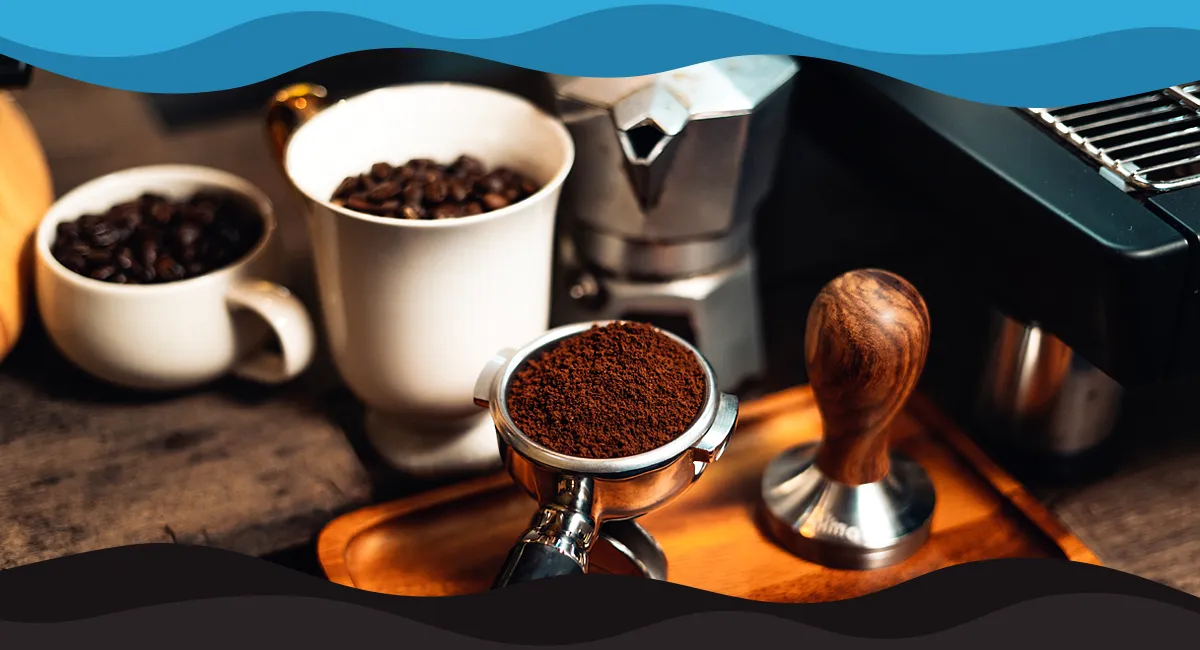
Dosing & Tamping: Ground coffee is measured and tamped manually.
-
Brewing: The barista starts and stops the extraction.
-
Milk Frothing: Milk is steamed and textured by hand using a steam wand.
-
Cleaning: Group heads, steam wands, and portafilters must be cleaned frequently.
Ideal For
-
Cafés, coffee shops, and high-end hospitality
-
Environments that prioritise quality and artistry
-
Businesses with trained baristas or skilled staff
Operator Role
Hands-on, skilled, and highly involved. Each drink is crafted manually, allowing for customisation and personal style.
Browse Commercial Espresso MachinesKey Differences at a Glance
Step
Bean-to-Cup
Espresso Machine
Grinding
Automatic
Manual (separate grinder)
Dosing & Tamping
Automatic
Manual or semi-automatic
Extraction
Fully automated
Manual control (or programmed shots)
Milk Frothing
Automatic or integrated milk system
Manual steam wand
Cleaning
Rinse cycles + prompts
Requires daily manual cleaning
Do you want milk drinks (lattes, cappuccinos)?
Yes, with minimal effort
Bean-to-Cup with milk system
Skill Level Needed
Low
Medium to high
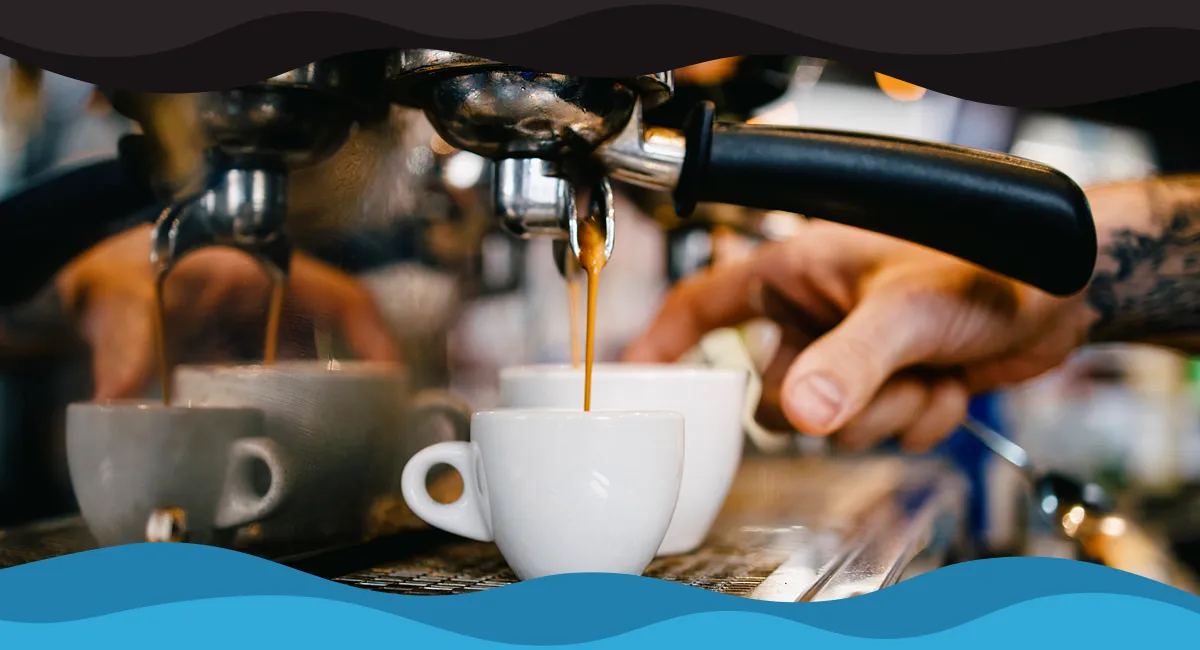
Pros & Cons of Bean-to-Cup & Espresso Machines
Commercial espresso machines and bean-to-cup machines represent different ways to reach the same fundamental solution: preparing coffee based drinks for customers or staff.
Often a good way to compare is to review the benefits and drawbacks of each to identify which best fits your requirements. For example, if the cons of one machine type would create daily problems in your business, or the pros would help you reach your goals more effectively, that’s often the answer as to which is right for you.
Bean-to-Cup Machines: Pros & Cons
Pros
Cons

Push-button operation, easy to use
No training needed
Ideal for self-service or low-staff setups
Built-in grinders and milk systems
Faster prep for standard drinks
Compact, all-in-one design

Limited customisation
May not match barista-level quality
Higher water/chemical use (auto-cleaning)
Some models have a shorter lifespan
Less suited to coffee-focused businesses
Not always ideal for premium drink presentation
Espresso Machines: Pros & Cons
Pros
Cons
Full control over espresso and milk
Produces high-quality, café-standard drinks
Ideal for self-service or low-staff setupsIdeal for self-service or low-staff setups
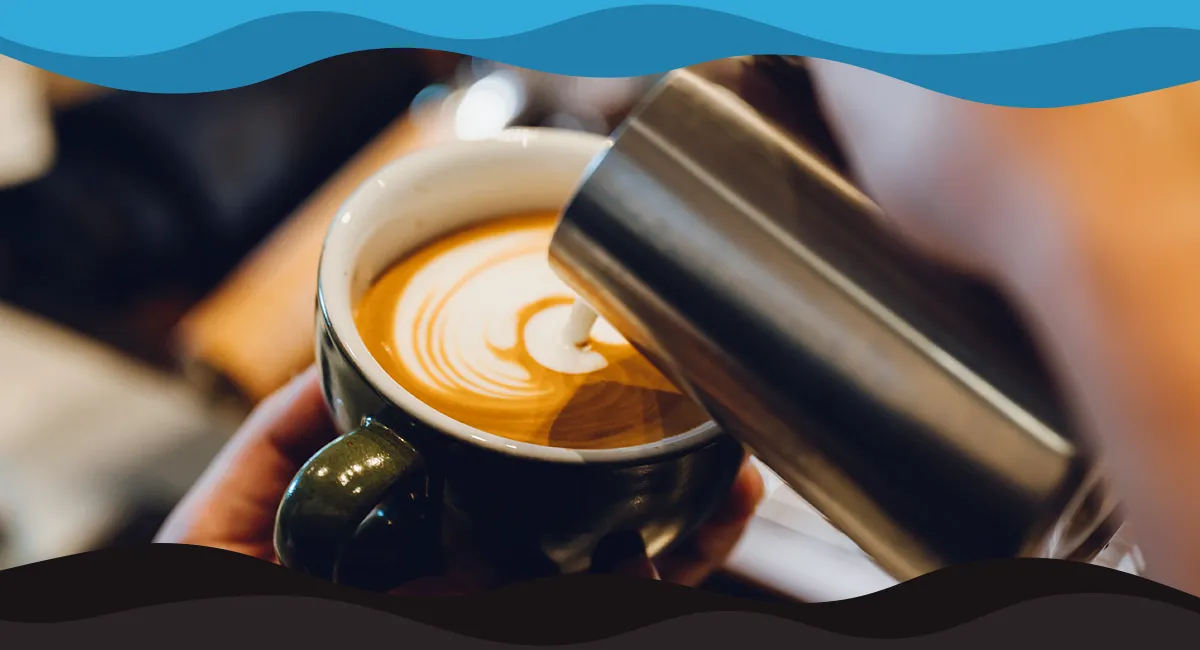
Enables latte art and advanced techniques
High capacity for busy environments
Durable and highly serviceable
Requires barista skills and training
Slower per cup depending on operator
More intensive cleaning and maintenance
Higher staffing and setup cost
Not suitable for self-serve settings
Takes longer to master and manage

Examples of Coffee Machines For Real?World Business Scenarios
Not all businesses use coffee machines the same way. To figure out what kind of machine is best for your needs, imagine a typical day in your business and ask yourself the following questions.
-
Who’s using it?
-
How fast do you need drinks served?
-
How much time can you spend cleaning it?
-
What do your customers expect?
The answers to these questions can help you focus on what you need your machine to do and the features you require. To put this into context, let’s look at some common real?world scenarios:
1. A Busy Office
A 50-person office wants to offer fresh coffee throughout the workday, without hiring a dedicated barista or spending too much time on maintenance.
Coffee Machine Requirements:
-
Easy operation
-
Fast service during breaks
-
Automatic milk drinks
-
Low effort cleaning
Recommended Solution:
Bean-to-Cup Machine
Why this machine works:
Push-button convenience, fresh beans, and built-in milk options make it perfect for offices with high usage but no trained staff.
2. A Boutique Hotel
A small hotel serves breakfast and afternoon drinks to guests. Staff have limited time for prep, but presentation and quality matter.
Coffee Machine Requirements:
-
Easy milk drink prep
-
Good-looking machine in front-of-house
-
Fast service during breakfast rush
-
Consistency without full barista training
Recommended Solution:
High-End Bean-to-Cup (or dual setup)
Why this machine works:
Premium models produce impressive drinks and can be used by reception or breakfast staff. Some hotels opt for a bean-to-cup in public areas and an espresso machine in the kitchen.
3. An Independent Coffee Shop
A café prides itself on artisan coffee, knowledgeable staff, and repeat customers who expect high quality and variety.
Coffee Machine Requirements:
-
Skilled barista control
-
Excellent espresso extraction
-
Latte art potential
-
Customisation by drink or customer
Recommended Solution:
Commercial Espresso Machine
Why this machine works:
Offers full control over grind, tamp, extraction, and milk frothing; essential for crafting drinks to a high standard.
4. A Car Dealership
A showroom wants to offer customers a premium refreshment experience during their visit, but staff need to focus on sales.
Coffee Machine Requirements:
-
Hands-free operation
-
Smart appearance
-
Good quality drinks
-
Low training requirement
Recommended Solution:
Bean-to-Cup Machine
Why this machine works:
Fast, stylish, and easy for both staff and customers to use. No barista skills required, but the machine still creates a quality impression.
5. A Pop-Up Stall or Food Truck
A mobile food business offers coffee alongside food. Space is tight and staff are often new or multitasking.
Coffee Machine Requirements:
-
Compact setup
-
Speed and simplicity
-
Low maintenance
-
Flexibility for small team
Recommended Solution:
Compact Bean-to-Cup
Why this machine works:
Lightweight models with tank-fed water systems are ideal for mobile use and require minimal setup or training.
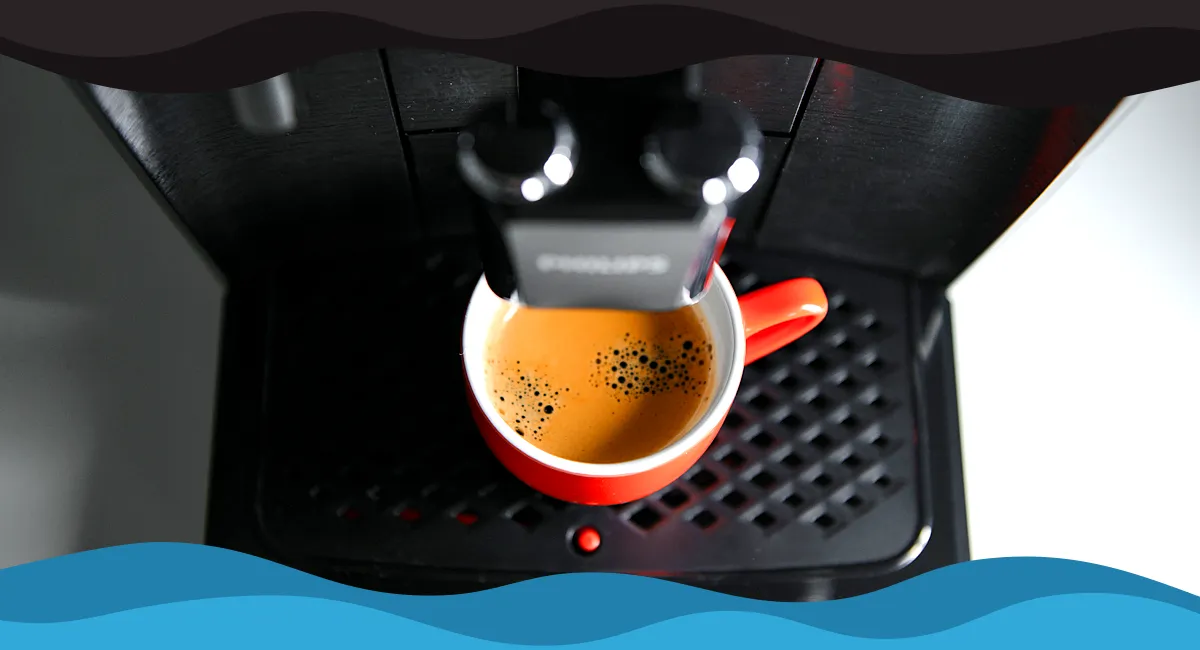
Calculating & Comparing Coffee Machine ROI
One of the most important considerations for businesses when choosing which type of coffee machine to use is the costs involved, both in the initial purchase and the ongoing operating costs. Perhaps even more important is the ROI and how much value the machine will deliver over time.
Here we’ll outline key factors that can impact ROI, and look at some example cost models. You can use these models with your own figures to help you calculate the ROI for different types of machines for your business.
Key ROI Factors To Consider
Upfront Cost
Staffing & Time
-
Machine price
-
Installation and plumbing
-
Staff training
-
Barista wages
-
Training hours
-
Cleaning time
Ongoing Consumables
Machine Lifespan
-
Coffee beans
-
Milk
-
Cleaning supplies
-
Water filters
-
How long the machine will last and stay efficient
Maintenance & Repairs
Drink Output & Quality
-
Servicing
-
Breakdowns
-
Replacement parts
-
How many drinks per hour/day
-
Range of drinks (menu options)
-
Quality, consistency, and customer satisfaction
-
Price drinks sold at
Example 1: Small Office (Bean-to-Cup)
Let’s say an office based business has around 40 members of staff and estimates that they’ll need a machine that will make around 80 to 100 cups of coffee per day. The machine will be operated by employees themselves and the business is considering a medium volume bean to cup model.
Item
Year 1
Year 2
Year 2
Machine purchase
£3,500
-
-
Beans & milk
£2,500
£2,750
£3,000
Water filters & cleaning
£400
£450
£500
Maintenance (annual service)
£250
£250
£250
Staff training/management
£0
£0
£0
Total
£6,650
£3,450
£3,750
3-Year Total: £13,850
Total Cost per cup (approx.): £0.19
In this example the coffee is not sold but is provided to staff as a benefit to help improve motivation and productivity. We can see that the chosen machine delivers an ROI that the business considers extremely positive due to low staffing cost and high usage.
Example 2: Independent Café (Espresso Machine)
In this example, an independent coffee shop requires a new commercial espresso machine, along with a coffee bean grinder. The business estimates it will need to produce around 150-200 cups of coffee per day, and the machine will be operated by fully trained baristas.
Item
Year 1
Year 2
Year 2
Machine & grinder
£7,000
-
-
Beans & milk
£5,500
£6,000
£6,500
Water filters & cleaning
£350
£400
£450
Maintenance/service
£400
£400
£500
Barista wages/training (partial)
£6,000
£6,500
£7,000
Total
£19,250
£13,300
£14,450
3-Year Total: £47,000
Cost per cup (approx.): £0.25–£0.30
In this example we can see that the chosen machine and staffing requirements lead to a higher total cost. However, this enables the business to deliver a premium experience, and sell each cup at a higher price, providing a strong ROI.
Tips for Maximising Coffee Machine ROI
-
Choose a machine that matches your volume and environment. Overspending on features you don’t need can erode value.
-
Consider leasing options if you want to spread out the cost and include servicing.
-
Schedule regular maintenance to extend machine life and prevent breakdowns.
-
Monitor cup counts and waste to improve efficiency over time.
-
Purchase wholesale coffee beans from a trusted supplier for the best combination of quality and value.

Environmental & Sustainability Considerations
Coffee machines can impact your business’s environmental footprint, so it’s important to choose a model that aligns with your stance on sustainability. Let’s take a look at how bean-to-cup and espresso machines compare across various environmental criteria.
Energy Efficiency
Feature
Bean-to-Cup
Espresso Machine
Power usage
-
Lower energy consumption overall
-
Heats water only when needed
-
Higher usage due to always-hot boiler
-
Constant heat retention drains energy
Eco features
-
Standby & sleep modes common
-
Timers for auto shut-off
-
Newer models may offer eco-modes
-
Older models rarely energy-optimised
Best fit
-
Offices, reception desks, hotels
-
Intermittent daily usage
-
Cafés, restaurants, high-volume use
-
Constant drink output throughout the day
Waste Output (Coffee, Milk, Water)
Feature
Bean-to-Cup
Espresso Machine
Coffee waste
-
Used grounds compressed into internal bin
-
Easy to empty & compost
-
Knocked out into portafilter bin
-
Compostable, but more mess-prone
Water use
-
Auto rinse cycles use extra water
-
Some machines flush after every cup
-
Baristas control flushing manually
-
Less rinse water if trained properly
Milk waste
-
Programmable milk quantities reduce waste
-
Less over-pouring
-
Manual steaming leads to more waste
-
Training needed for portion control
Packaging waste
-
No capsules or pods used
-
Whole bean format only
-
No capsules or pods used
-
Whole bean format only
Water Filtration & Cleaning Chemicals
Feature
Bean-to-Cup
Espresso Machine
Cleaning system
-
Automated with tablets/liquid solution
-
Daily or weekly prompts built-in
-
Manual cleaning with backflush detergent
-
Requires discipline and training
Water filter use
-
Required for longevity & milk system health
-
Often monitored by the machine
-
Essential to prevent limescale build-up
-
Filter swaps usually done on schedule
Chemical usage
-
Consistent and often higher (auto-cycles)
-
Less control over quantity
-
Can be minimal with good procedures
-
Operator-controlled cleaning cycles
Coffee Machine Lifespan & Repairability
Feature
Bean-to-Cup
Espresso Machine
Expected lifespan
-
5-10 years depending on model
-
Premium models last longer
-
10+ years with proper maintenance
-
Widely used in long-term commercial setups
Repairability
-
Varies by brand
-
Entry-level often sealed units
-
High-end: modular with swappable parts
-
Highly repairable
-
Parts and service widely available
-
Designed for professional maintenance
Ongoing value
-
Moderate to high if well maintained
-
Faster depreciation on budget models
-
High: strong resale value and long lifespan
-
Often rebuilt or upgraded over time
Common Mistakes When Choosing A Commercial Coffee Machine
Choosing the right commercial coffee machine is more than just thinking about the upfront cost or feature lists. There are plenty of additional factors that can affect long-term value and day-to-day performance. Let’s take a look at some of the things you should also be aware of when making a decision.
Underestimating Running Costs
Beyond the machine price, there are ongoing expenses that can catch you off guard. Bean-to-cup machines often require specific milk systems, water filters, cleaning products, and descaling solutions, and the costs can add up over time.
However, espresso machines may incur losses through human error, like wasted coffee from mis-pulled shots or excessive milk wastage. It's important to factor in these recurring costs and consider a full breakdown of expected annual running expenses for each type of machine.
Maintenance & Cleaning Commitments
Cleaning and maintenance requirements are often overlooked during the buying process. Bean-to-cup machines tend to have automated rinse and cleaning cycles, but they still need weekly or even daily manual attention. If cleaning is skipped or forgotten, machines can stop working properly or fail completely.
Espresso machines require more hands-on care; group heads, steam wands, and portafilters must be cleaned regularly, sometimes multiple times a day. Business owners often underestimate how much time or discipline is needed to keep machines in good condition.
Overlooking Service & Warranty Terms
Warranties can vary widely between brands and models. Some machines must be serviced annually to remain covered, and others may have limited warranty support.
In the event of a fault, having reliable, fast access to parts and repairs is crucial, especially in high-volume businesses. Before you commit to a machine, make sure you understand exactly what’s covered, how support is delivered, and what kind of maintenance schedule is required to stay protected.
Undertraining or Overestimating Staff Skill
A powerful espresso machine is only as good as the person operating it. Without proper training, even a high-end setup can produce weak or bitter coffee. Baristas need to master everything from tamping pressure to milk texturing.
Bean-to-cup machines require far less skill but can still confuse staff if they aren’t familiar with the prompts, error codes, or daily care requirements. One of the most common mistakes is assuming your team will just "figure it out." Planning for realistic training and onboarding is essential.
Buying a Machine That’s Too Small (or Too Big)
Choosing the wrong capacity machine can disrupt your entire workflow. A model that’s too small will struggle during busy periods, leading to long waits and stressed staff. On the flip side, buying a machine that’s too large for your actual needs could waste money, take up valuable counter space, and demand more cleaning than you have time for.
Always base your choice on actual cup volume, and don’t forget to account for peak demand, not just daily averages.
Assuming All Bean-to-Cup Machines Are Equal
Not all bean-to-cup machines deliver the same results. Lower-end models may save money upfront, but often sacrifice on build quality, temperature consistency, or milk texture, resulting in underwhelming coffee.
Premium machines usually feature better grinders, brewing control, and integrated milk systems that replicate café-quality drinks. It’s a mistake to view these machines as interchangeable. Always think about what you realistically need before committing to a purchase, especially if drink quality is a priority for your brand.
Bean-to-Cup vs Espresso Machines: Feature Summary Table
Here’s a handy summary table to help you compare some of the main features of commercial bean-to-cup machines with espresso machines.
Feature / Factor
Bean-to-Cup
Espresso Machine
Ease of Use
-
Push-button operation
-
Minimal training needed
-
Requires barista skills
-
Steeper learning curve
Coffee Quality
-
Consistent
-
Limited customisation
-
High-quality
-
Full control over grind, tamp, and extraction
Speed & Efficiency
-
Fast for high volume
-
Ideal for self-service
-
Slower per cup
-
Can bottleneck without skilled staff
Milk Preparation
-
Automatic milk frothing
-
Consistent texture
-
Manual steaming for latte art
-
More room for error
Maintenance
-
Regular cleaning cycles
-
Auto-rinse in many models
-
Manual cleaning of all parts
-
More control over upkeep
Energy Use
-
Efficient heating per cup
-
Often includes eco-modes
-
Higher energy draw
-
Always-on boilers
Waste Output
-
Rinse cycles use water
-
Waste bin for grounds
-
Less water if trained properly
-
More manual cleanup
Durability
-
5–10 years
-
Some models repairable
-
Built for 10+ years
-
Widely repairable
Ongoing Costs
-
Lower staffing costs
-
Higher cleaning product use
-
Higher labour costs
-
Less automated cleaning
Best For
Offices, hotels, reception areas, showrooms, some cafés
Coffee shops, restaurants, premium hospitality venues
Not Ideal For
Artisan cafés, coffee purists
Busy offices, untrained staff, low-volume setups
Matching The Right Commercial Coffee Machine To Your Needs
Before deciding on which type of coffee machine will be best for your business, it helps to step back and match each type to your specific priorities, operational requirements, and coffee goals.
Choose a Bean-to-Cup Machine if you:
-
Want a simple, push-button solution that anyone can use
-
Need to serve consistent, quality drinks without barista training
-
Operate in an office, hotel, showroom, or self-service area
-
Prefer automated milk drinks like cappuccinos and lattes
-
Need a fast, efficient system whether low or high volume
-
Have limited time or staff for cleaning and maintenance
-
Value speed and convenience over fine-tuned drink control
Choose an Espresso Machine if you:
-
Want maximum control over coffee extraction and milk texture
-
Run a café, coffee shop, restaurant, or premium venue
-
Employ or plan to train skilled baristas
-
Aim to serve specialty-grade coffee or create latte art
-
Care about craftsmanship and drink presentation
-
Want a high-throughput setup able to handle higher volumes
-
See coffee as a core part of your brand experience
Need More Help Deciding?
Even when you’re armed with all of the information, choosing the right commercial coffee machine can still feel overwhelming. But you don’t have to figure it out alone.
At PureGusto our expert team can help you:
-
Match a machine to your exact needs and usage
-
Compare models side-by-side
-
Decide whether a bean to cup of espresso machine is best for you
-
Understand the available features and how they work
-
Estimate the total cost of ownership
We offer a wide range of high quality machines from some of the world’s best brands, available with flexible finance options to help you spread the cost. We also offer great value package options that give you everything you need to get your new coffee machine up and running as cost-effectively as possible.
For more information or help, contact us today. Or explore our full range of commercial coffee machines to find the perfect fit for your business.
FAQs About Bean-to-Cup vs Espresso Machines
Q: What’s the difference between bean-to-cup and espresso machines?
A: Bean-to-cup machines automate the entire coffee-making process (grinding, brewing, and milk frothing) with just the push of a button. Espresso machines require manual input or trained baristas to control each stage, offering more precision and customisation.
Q: Which machine type is easier to clean?
A: Bean-to-cup machines often come with automatic rinse and cleaning cycles, but still require regular attention to milk systems and internal waste bins. Espresso machines require more hands-on cleaning (group heads, steam wands, portafilters), but allow more control and can be quicker to maintain in experienced hands.
Q: Can I use a bean-to-cup machine in a coffee shop?
A: Yes, absolutely. But whether it’s the right choice depends on your business model. Bean-to-cup machines are ideal for speed, consistency, and self-service, but they typically don’t match the drink quality, presentation, or flexibility that espresso machines provide in a high-end café setting. However, they can work well for smaller cafés or in back-of-house environments.
Q: Do I need trained staff to use an espresso machine?
A: Yes, at least basic training is required. A barista needs to understand grind size, dosing, tamping, extraction time, and milk texturing. Without training, consistency and quality can suffer.
Q: Are there commercial machines that do both?
A: Some high-end bean-to-cup machines offer impressive control over temperature, strength, and milk texture which the gap between convenience and customisation. That said, they still don’t offer the full hands-on flexibility of a traditional espresso setup. Hybrid setups (both machines) are also an option for larger venues.
Q: Do I need a plumbed water supply for a commercial coffee machine?
A: Many commercial coffee machines, especially espresso models, are plumbed in for continuous water access. Some bean-to-cup machines are available with manual-fill tanks, which are better suited to mobile or lower-volume setups.